


Finding an NFT marketplace isn’t as simple as picking the biggest name and signing up.
Different platforms are built for different people. Some are great for browsing digital art and collectibles. Others are clearly made for traders who care about speed, liquidity, and market data. Then there are marketplaces focused on a particular blockchain, gaming, or high-end digital art.
So, instead of saying there’s one “best” NFT marketplace for everyone, it makes more sense to look at what each platform actually does well.
Here are 14 NFT marketplaces worth checking out in 2026.
1. Binance NFT
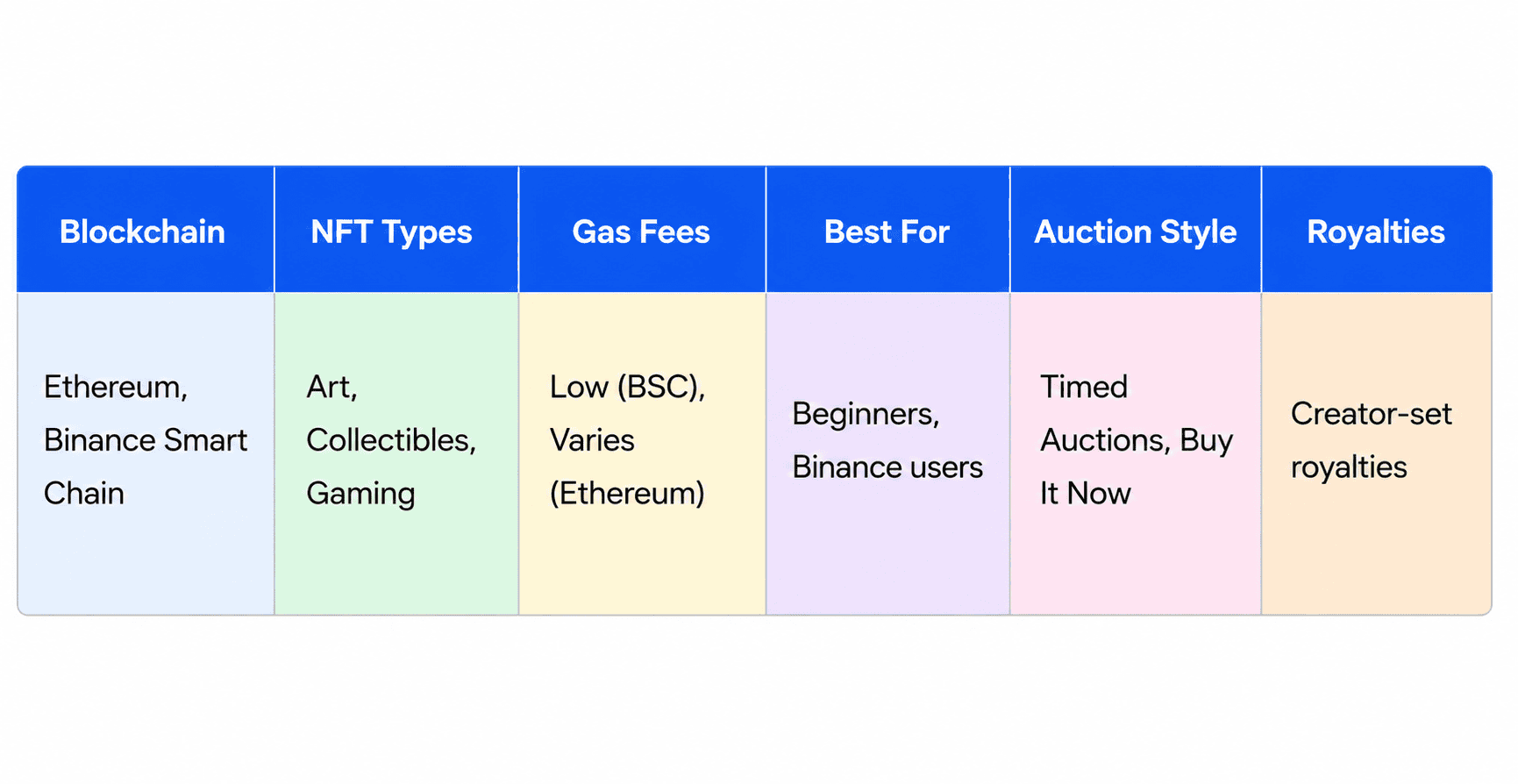
If you already use Binance, Binance NFT is probably one of the easiest marketplaces to get familiar with.
It sits inside the larger Binance ecosystem and gives users access to different types of NFTs, including art, gaming assets, and collectibles. The connection with Binance Wallet also makes moving between your crypto and NFT activity fairly simple.
It’s not necessarily the most specialized marketplace on this list, but for someone already comfortable with Binance, the convenience can be a big plus.
2. OKX NFT
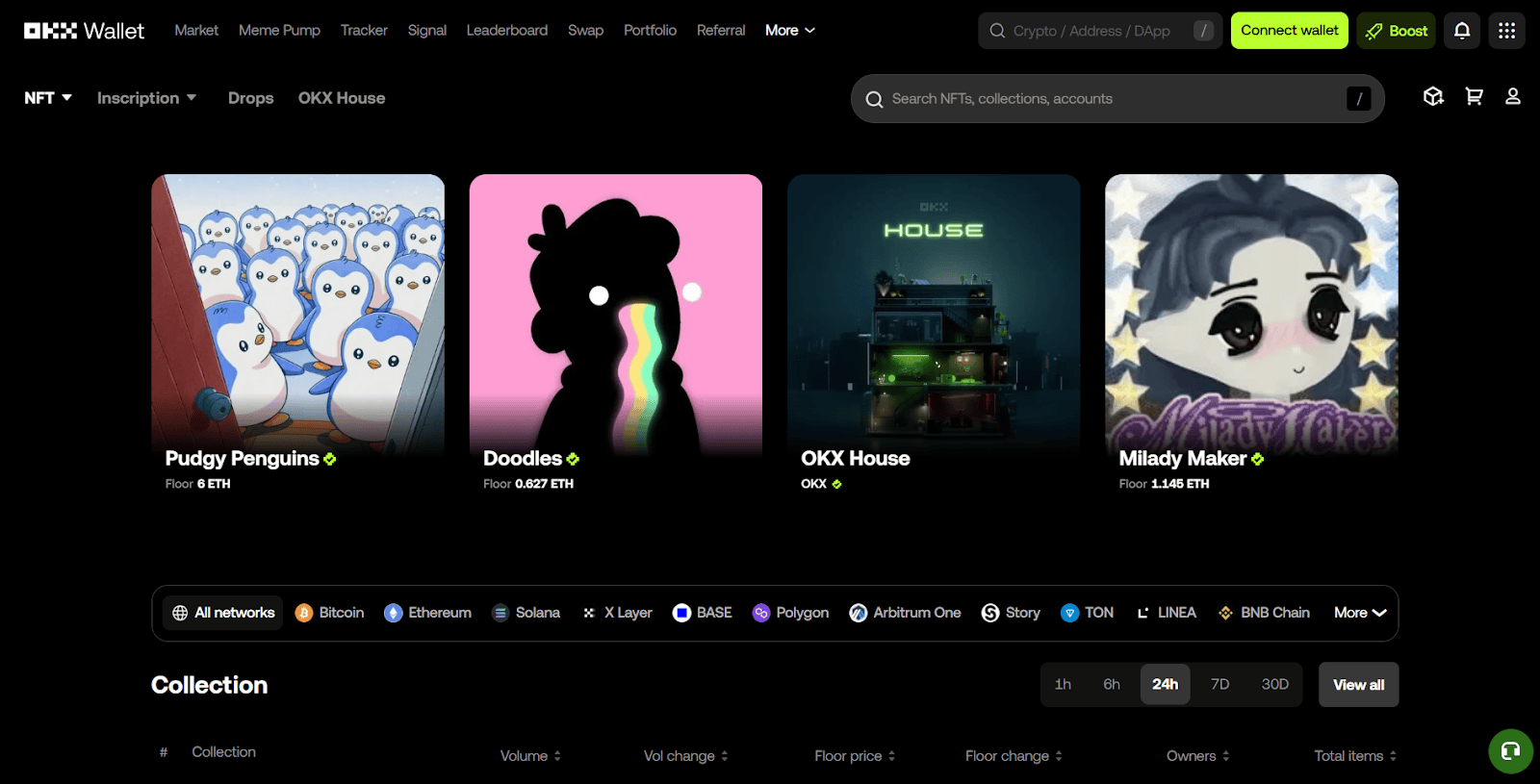
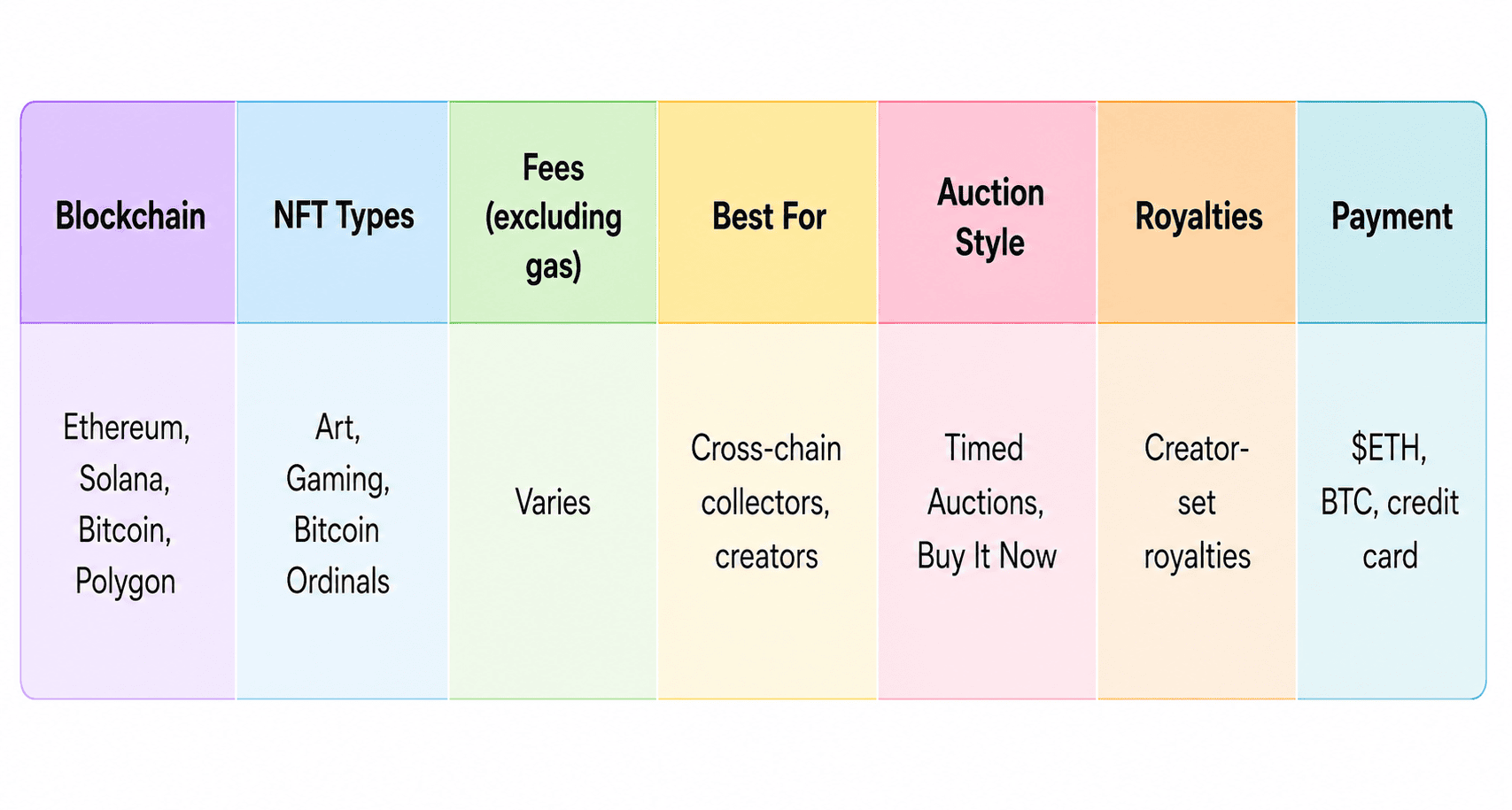
OKX NFT is interesting because it doesn’t keep you locked into one blockchain.
You can explore NFTs across networks such as Ethereum, Solana, Bitcoin, and Polygon. That includes regular digital collectibles as well as things like Bitcoin Ordinals.
The interface is fairly straightforward, but there are also tools for people who take NFT trading more seriously. If you like jumping between different ecosystems, having them available from one platform can save some hassle.
3. OpenSea
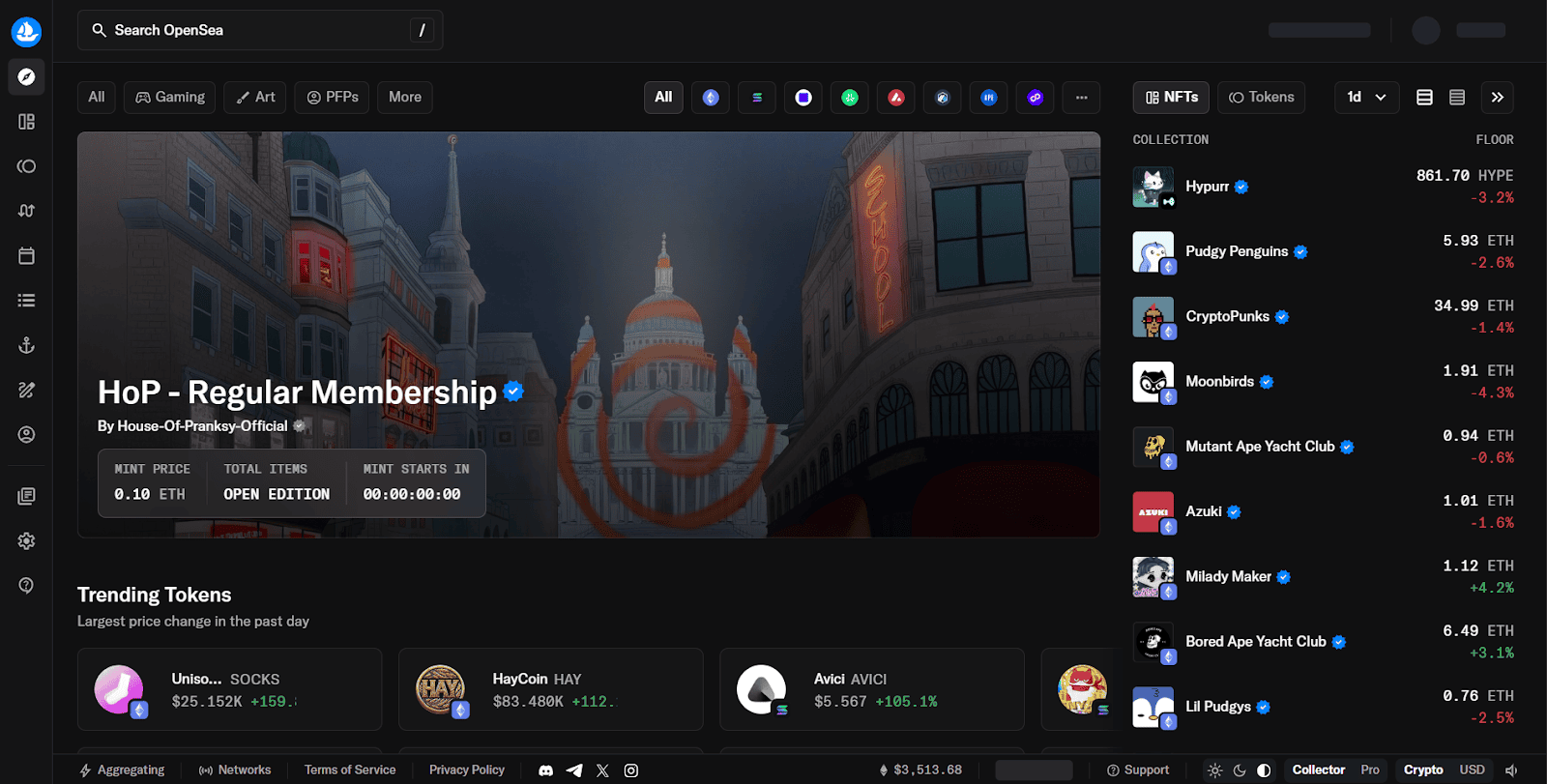
You can’t really talk about NFT marketplaces without mentioning OpenSea.
It became one of the biggest names in the space by making NFTs relatively easy to discover, buy, and sell. You’ll find pretty much everything here, from digital art and collectibles to gaming assets.
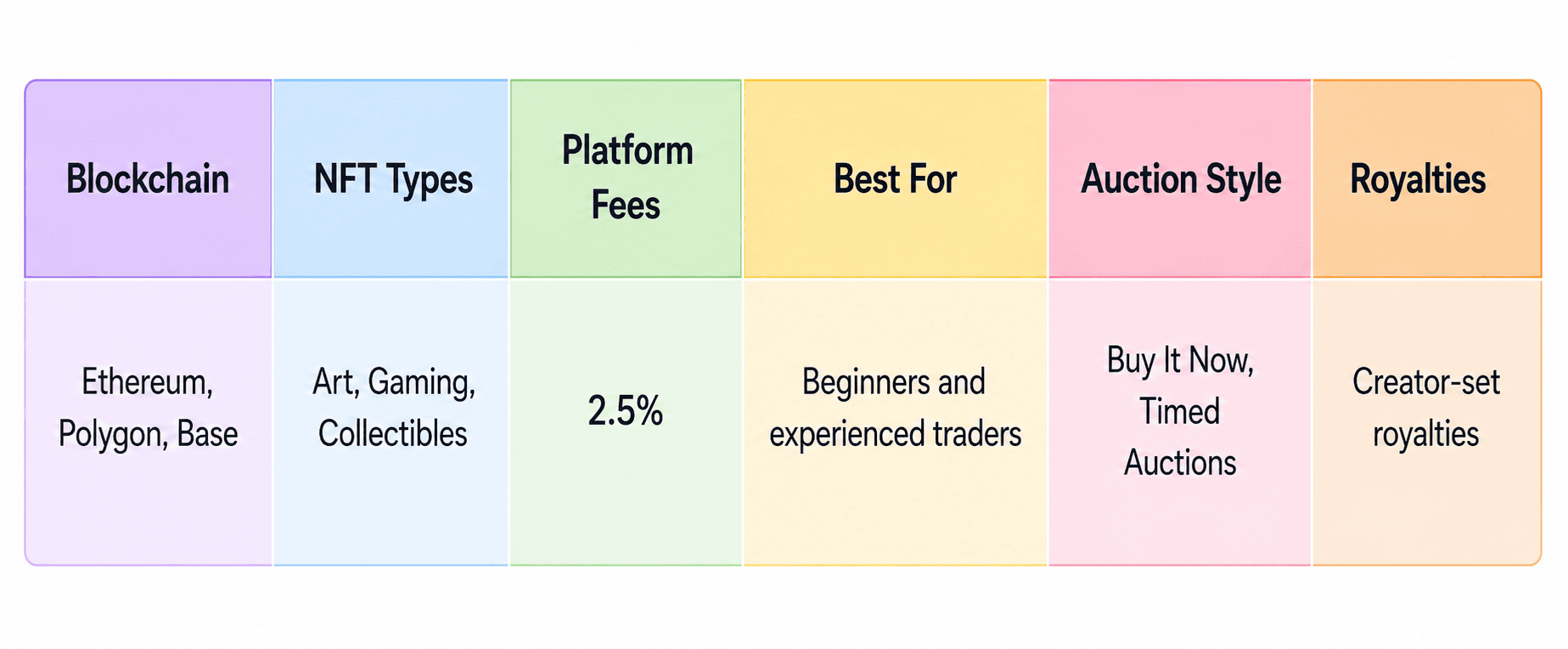
OpenSea has also expanded beyond Ethereum and supports networks such as Polygon and Base.
For someone completely new to NFTs, this is still one of the first platforms I’d check simply because there’s so much to explore.
4. Blur
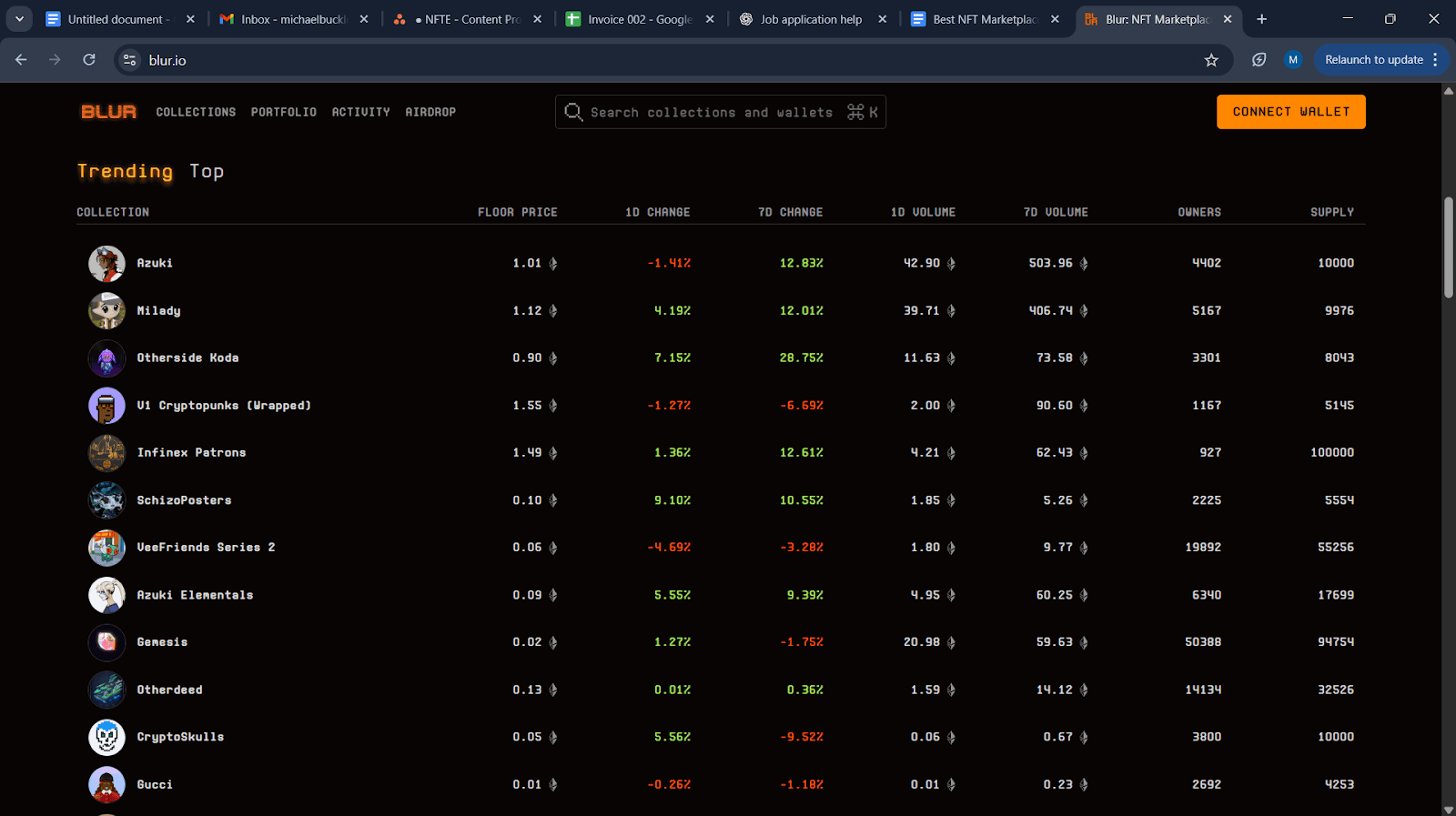
Blur feels very different from OpenSea.
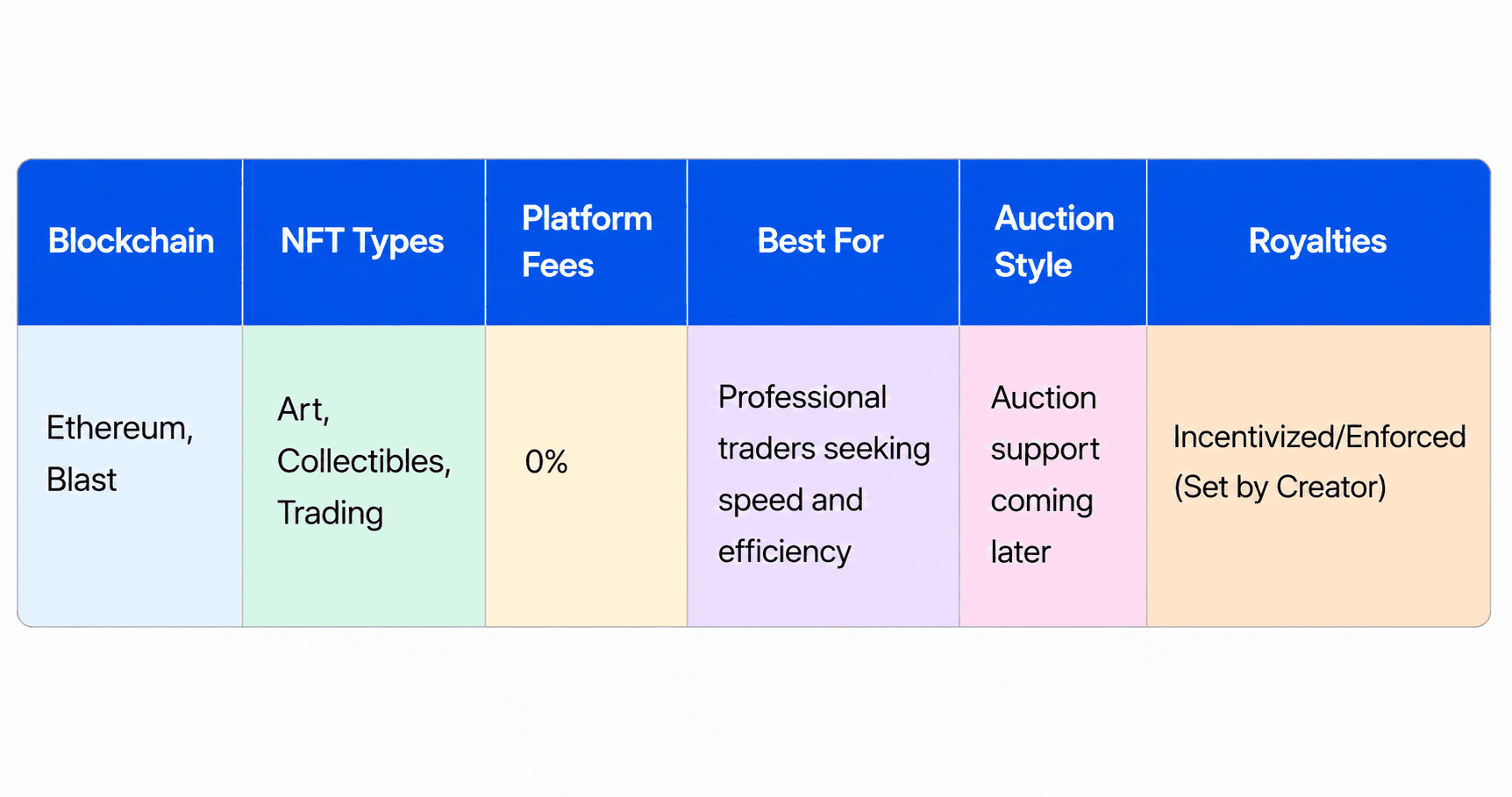
It’s built more around active NFT trading than casual browsing. If you’re watching prices, comparing listings, or moving between collections regularly, the platform gives you tools that can make that process much faster.
Features such as marketplace sweeping and real-time market information are especially useful for active traders.
It’s probably overkill if you’re just looking to buy one NFT and forget about it. But if trading is your thing, Blur deserves a closer look.
5. Rarible
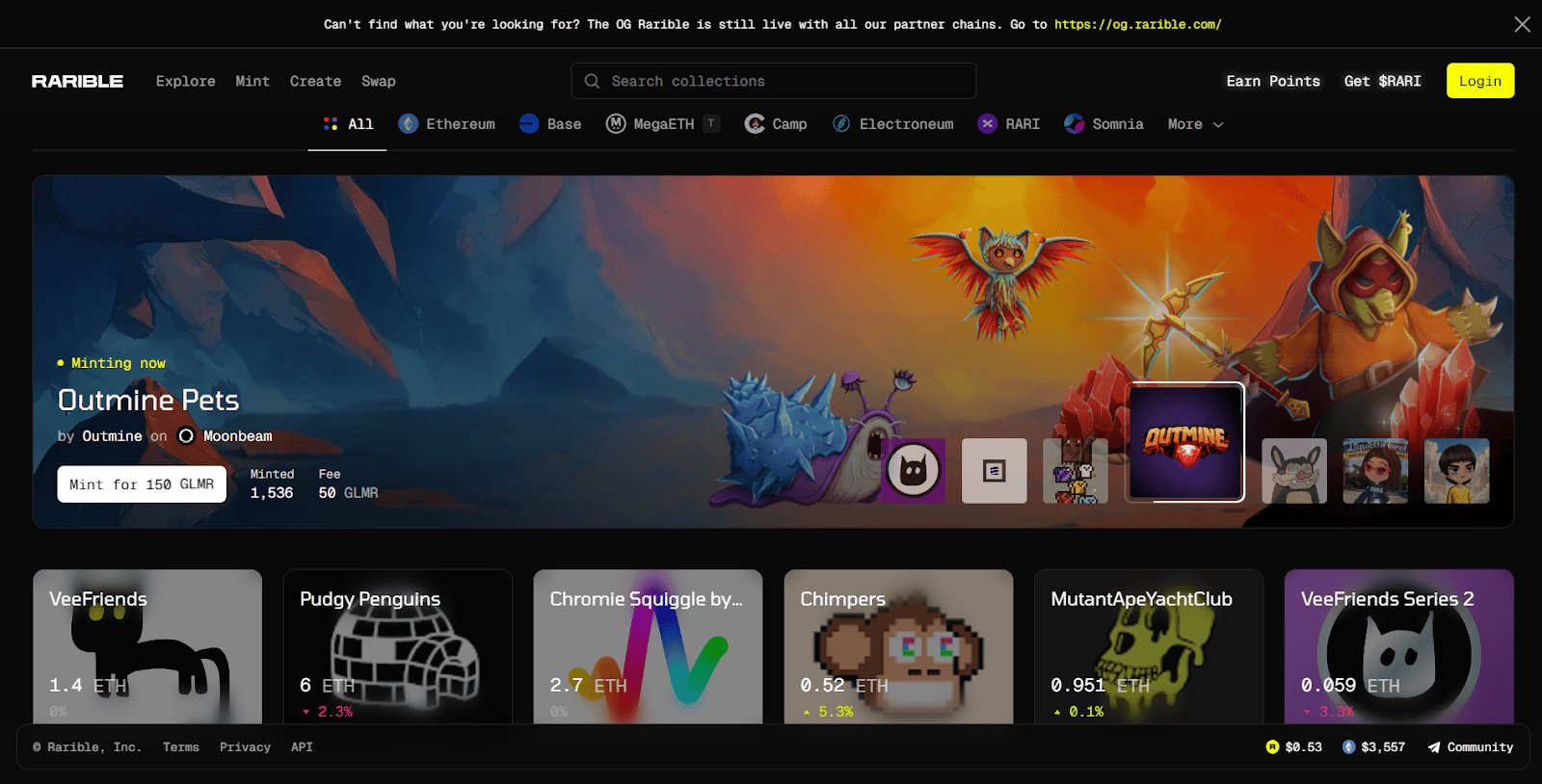
Rarible has always had a stronger community and creator-focused feel.
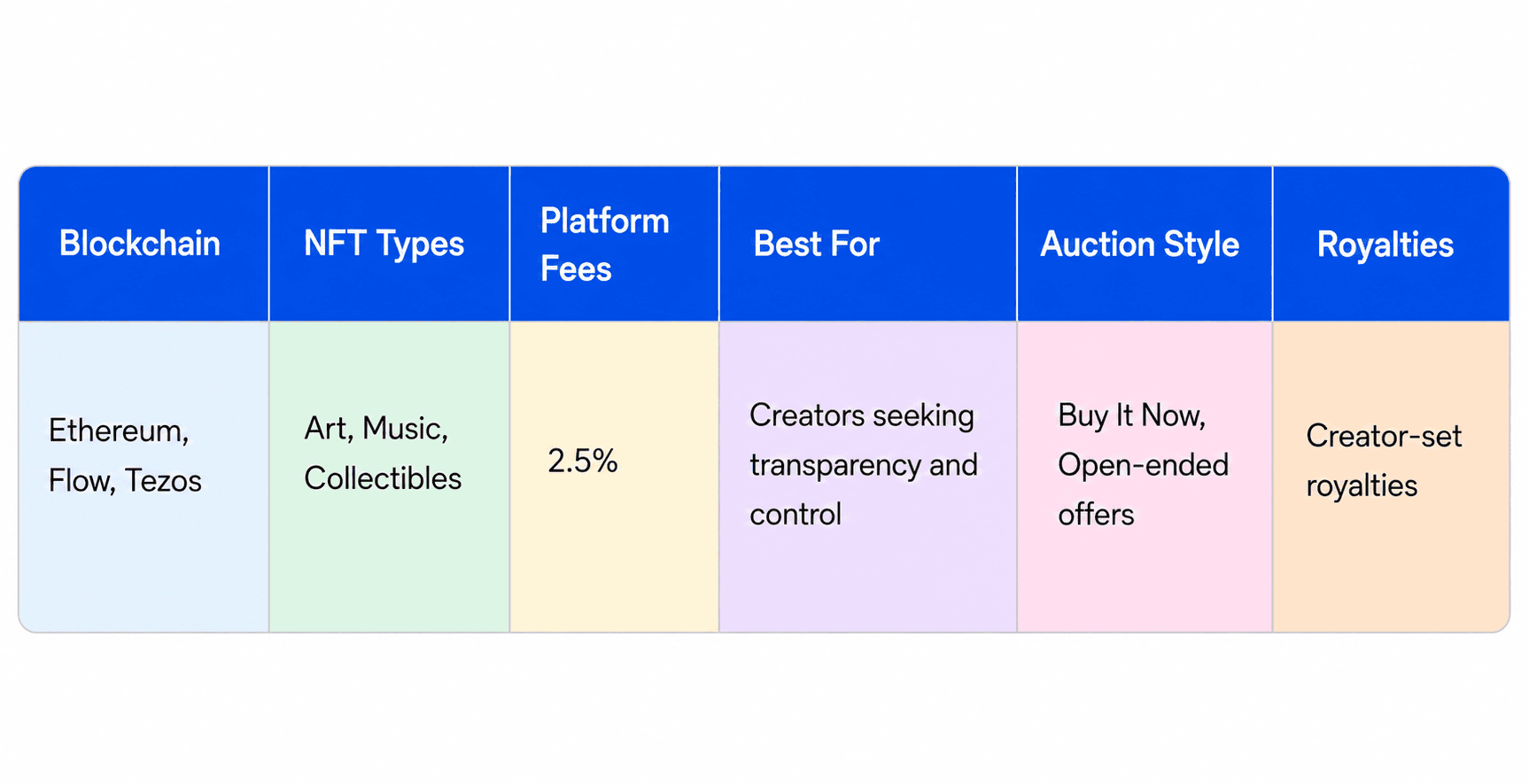
The platform supports multiple blockchains and lets creators mint and sell their own NFTs. It also puts more emphasis on creator control, royalties, and community participation.
You can find different types of NFTs here, including art, music, and collectibles.
I’d put Rarible on the list for creators who want more control over how they publish and manage their work rather than simply using a massive general-purpose marketplace.
6. Magic Eden
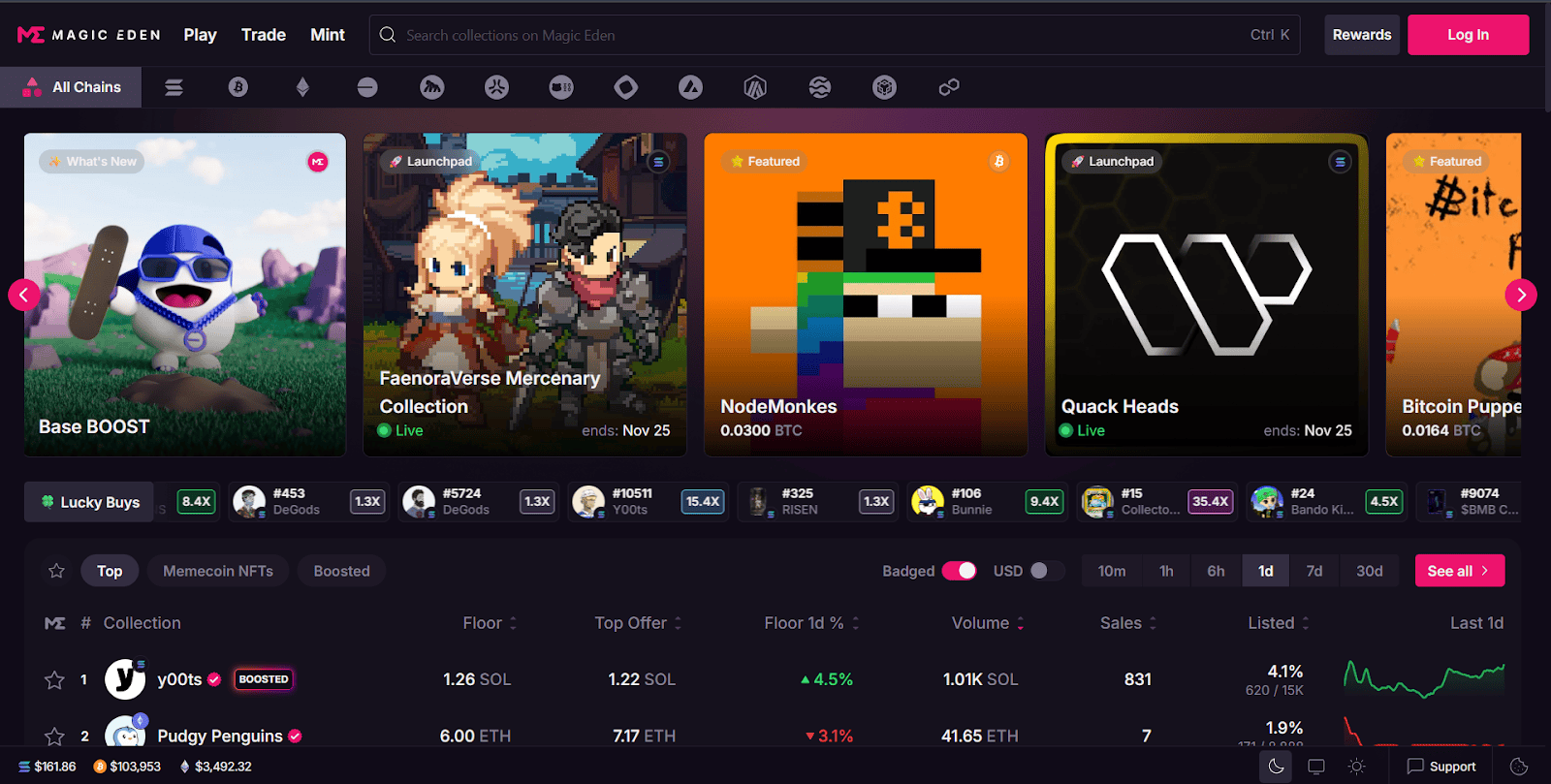
Magic Eden is one of those platforms that started in one corner of the NFT world and gradually expanded.
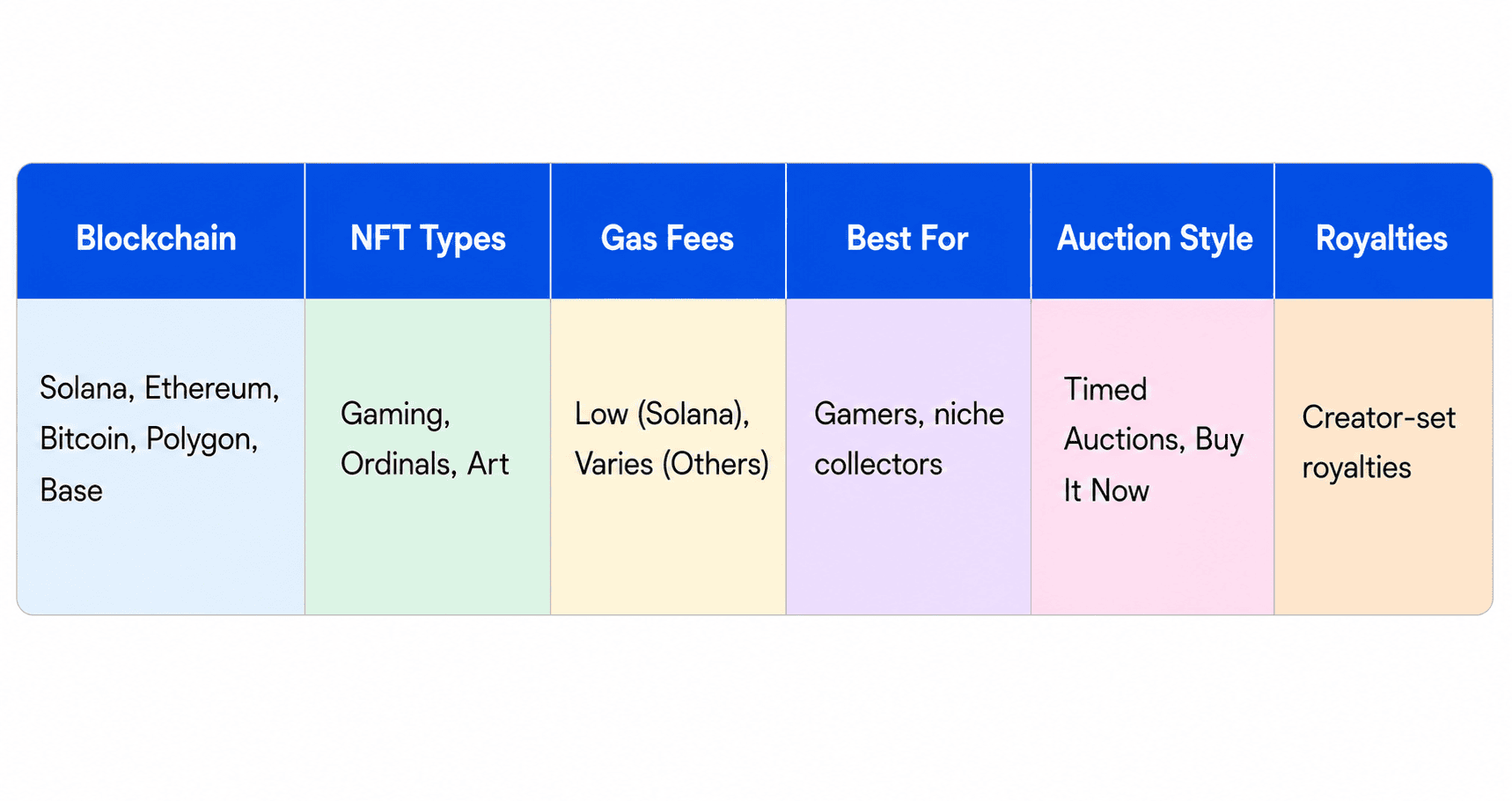
It became especially popular in the Solana ecosystem and later added support for networks including Ethereum, Bitcoin, Polygon, and Base.
It’s also well known for gaming NFTs and Bitcoin Ordinals.
If you’re active across several ecosystems, Magic Eden is worth having on your radar. The platform makes it easier to discover what’s happening across different NFT markets without constantly jumping between websites.
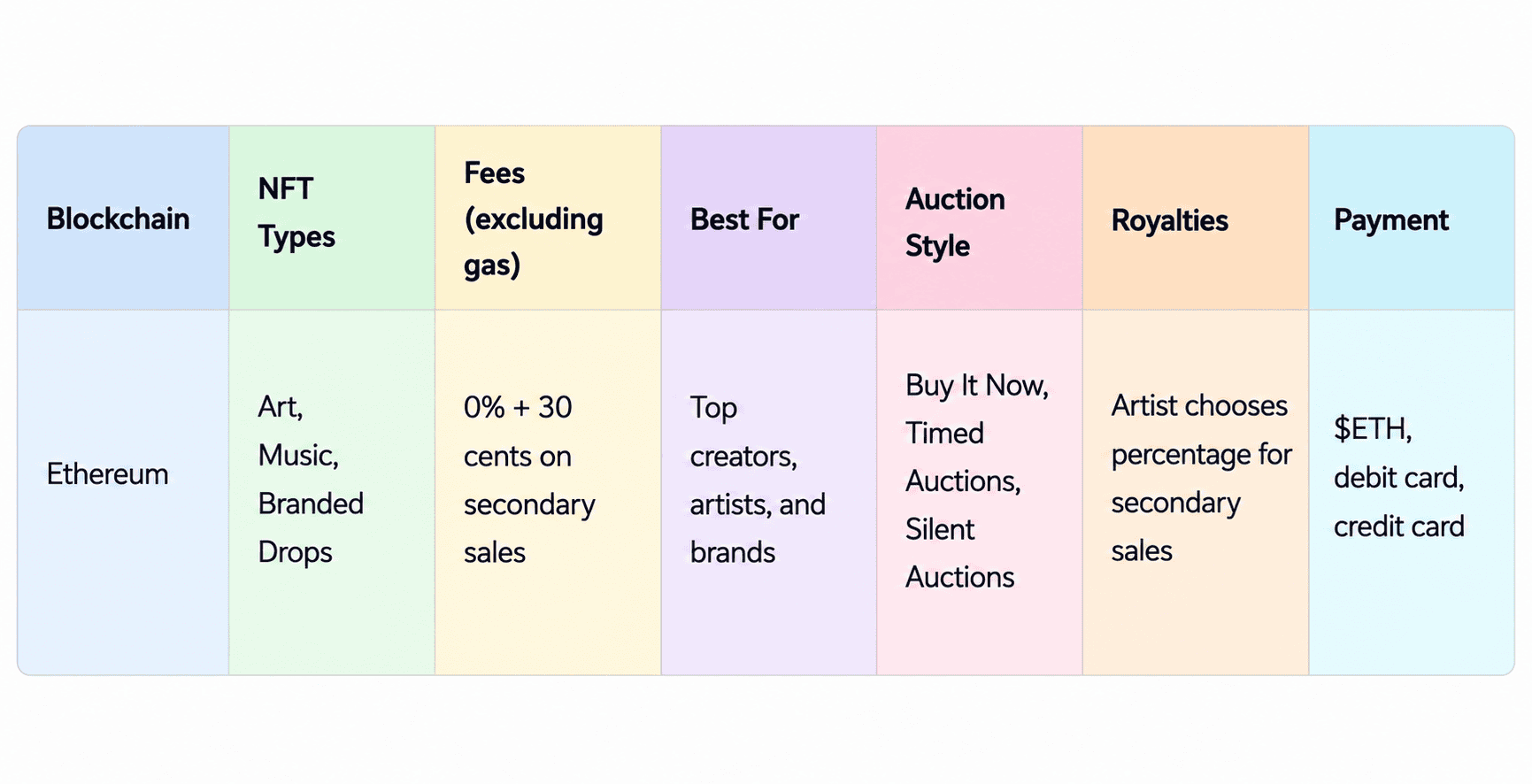
7. Nifty Gateway
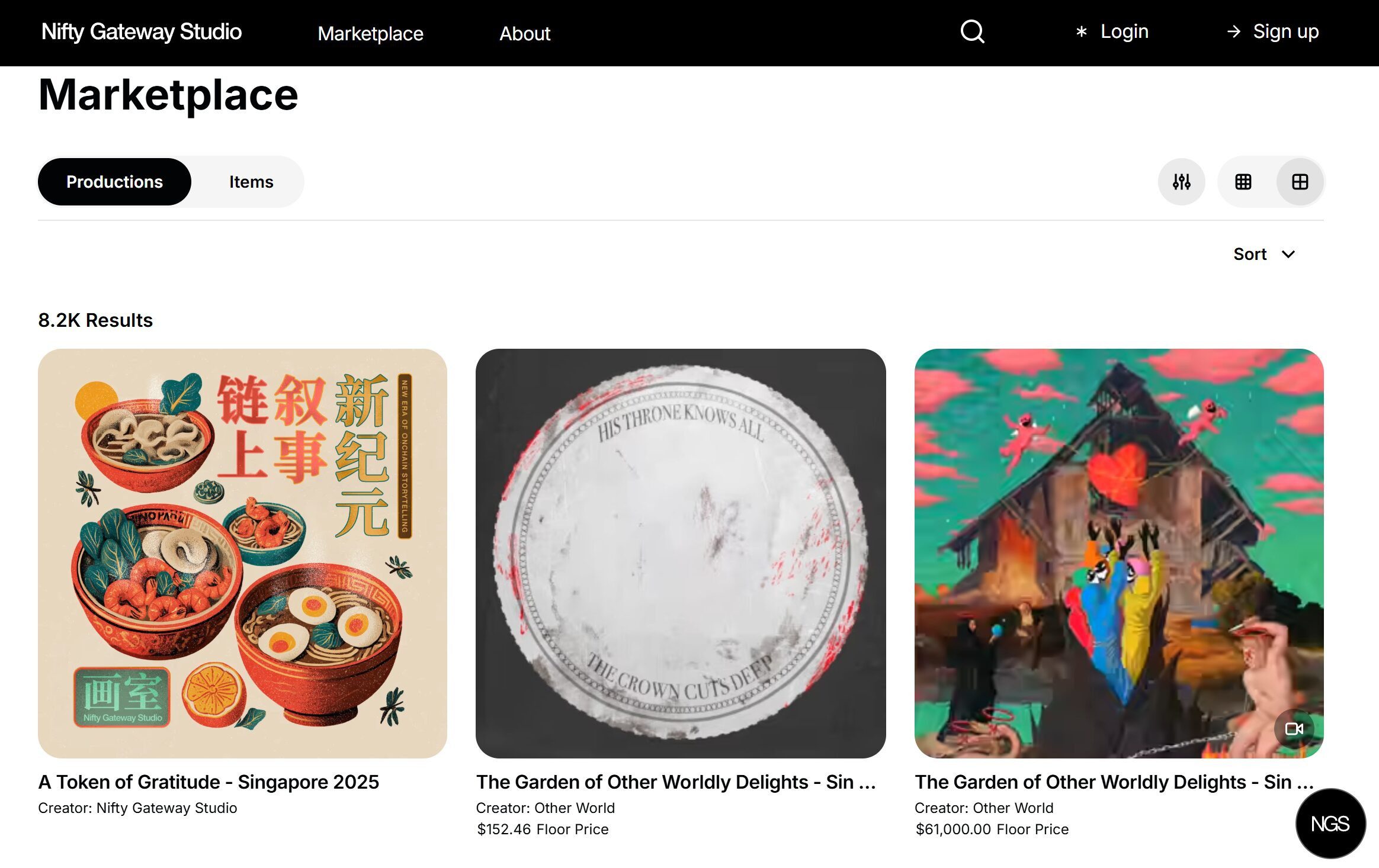
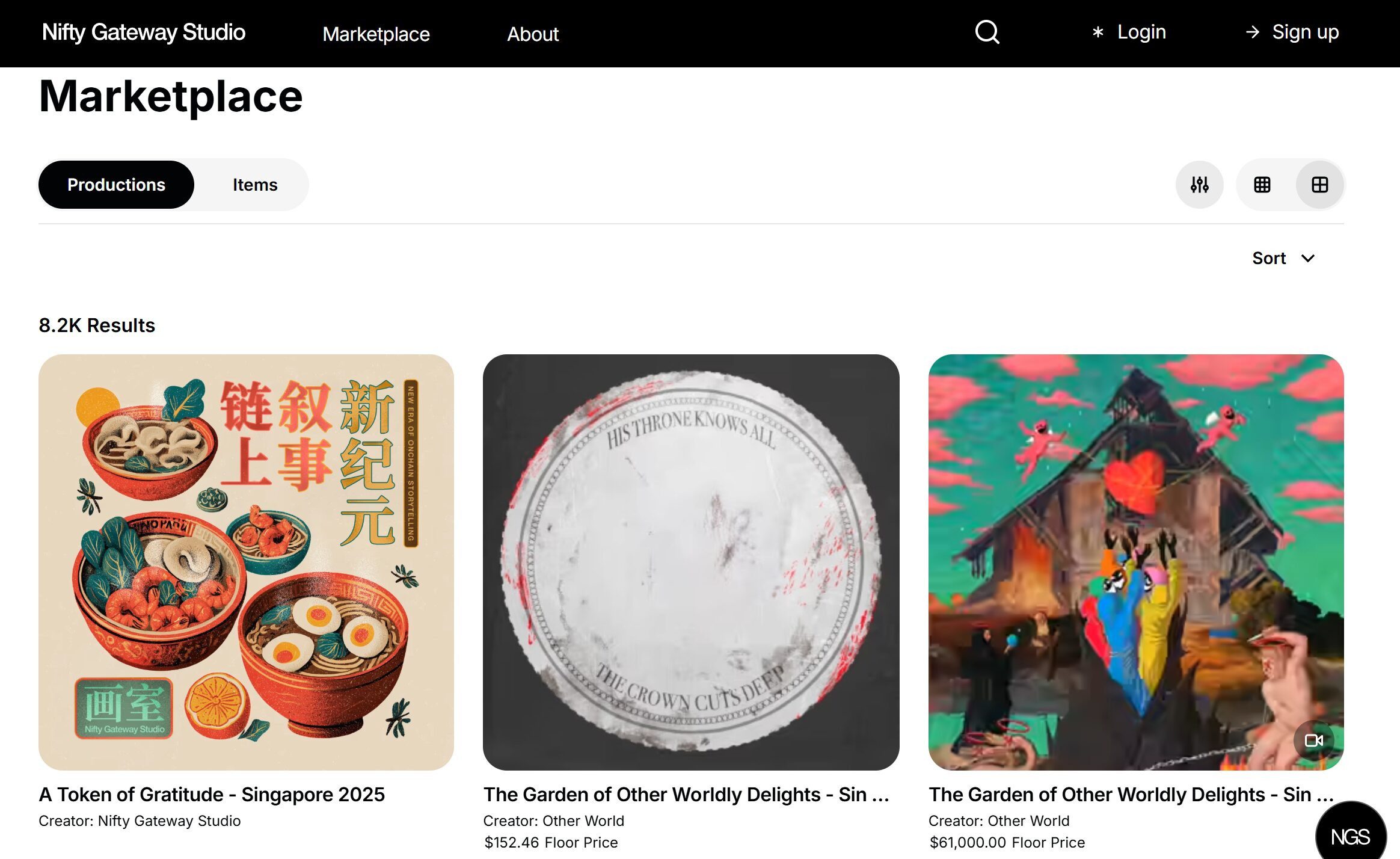
Nifty Gateway takes a more curated approach.
Instead of trying to list everything under the sun, the platform has built its reputation around drops and collaborations with artists, brands, and recognizable names.
Another thing that makes it stand out is the ability to buy supported NFTs using traditional payment methods such as a credit card.
That can make the experience less intimidating for someone who likes digital art but doesn’t want to deal with the full crypto setup right away.
8. Tensor
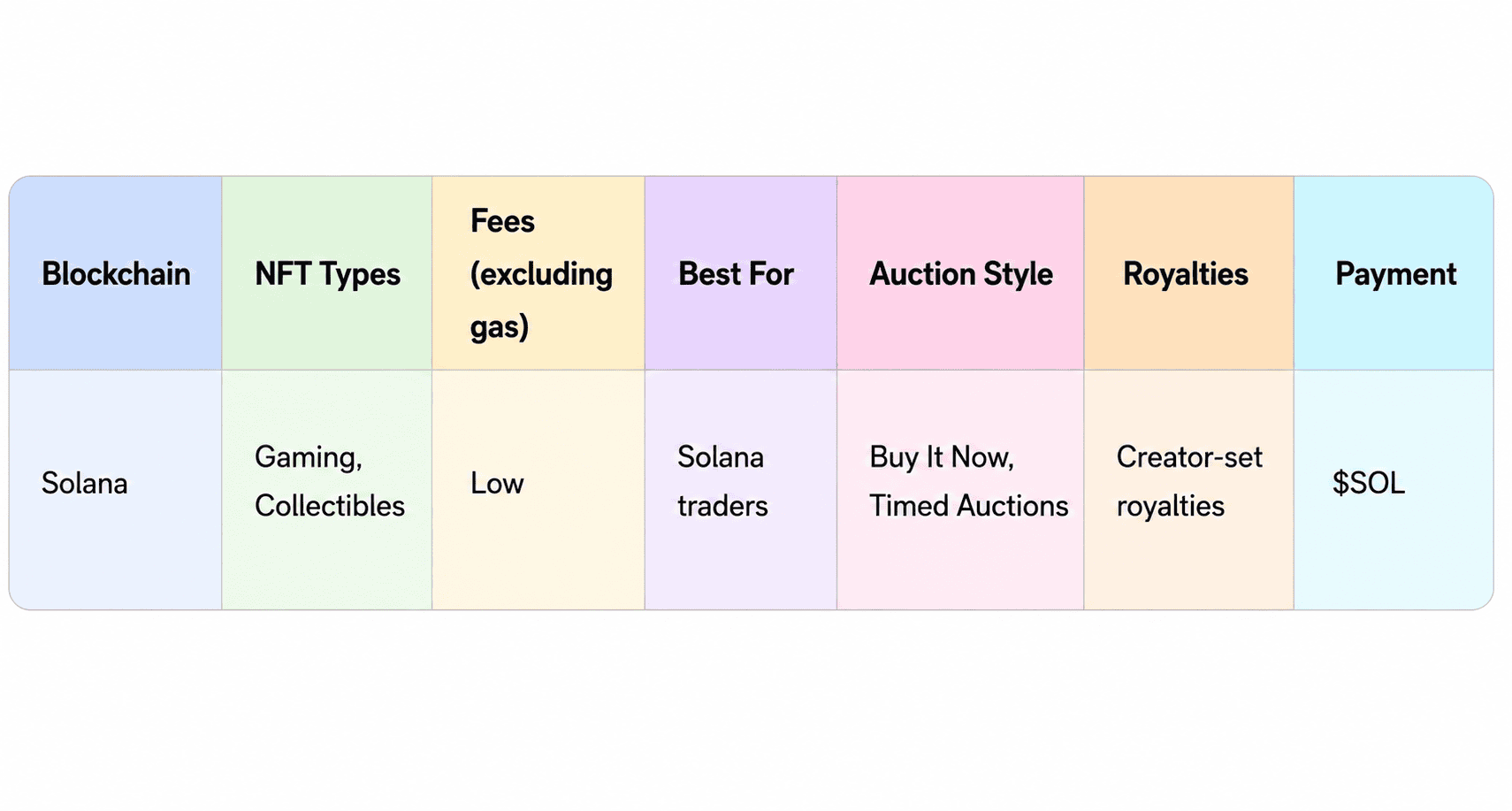
If you’re into Solana NFTs, you’ve probably come across Tensor.
This marketplace is designed with traders in mind, so you’ll find features like charts, real-time data, and liquidity information.
The interface is built for people who actually spend time watching the market rather than simply browsing collections.
Tensor also has a rewards system, which adds another reason for active Solana traders to use the platform.
9. MonbaseCoin
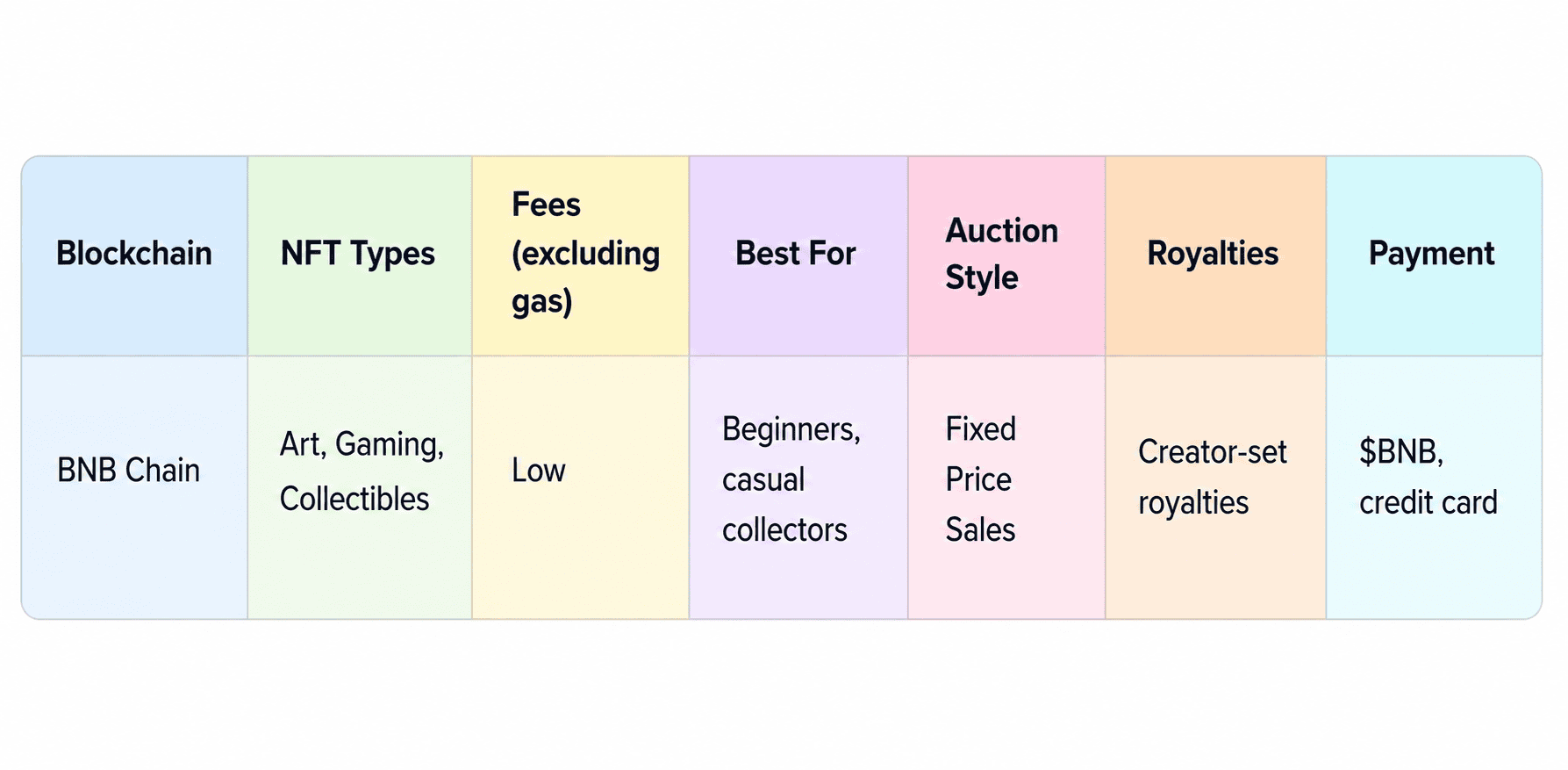
MonbaseCoin is focused on the BNB Chain and offers a straightforward place to buy, sell, and create NFTs.
You’ll find categories such as digital art, gaming assets, and collectibles.
One of the main advantages here is the BNB Chain environment, which generally offers relatively low transaction costs compared with some other networks.
It’s worth exploring if you’re already using BNB Chain and don’t want to move your NFT activity somewhere else.
10. LooksRare
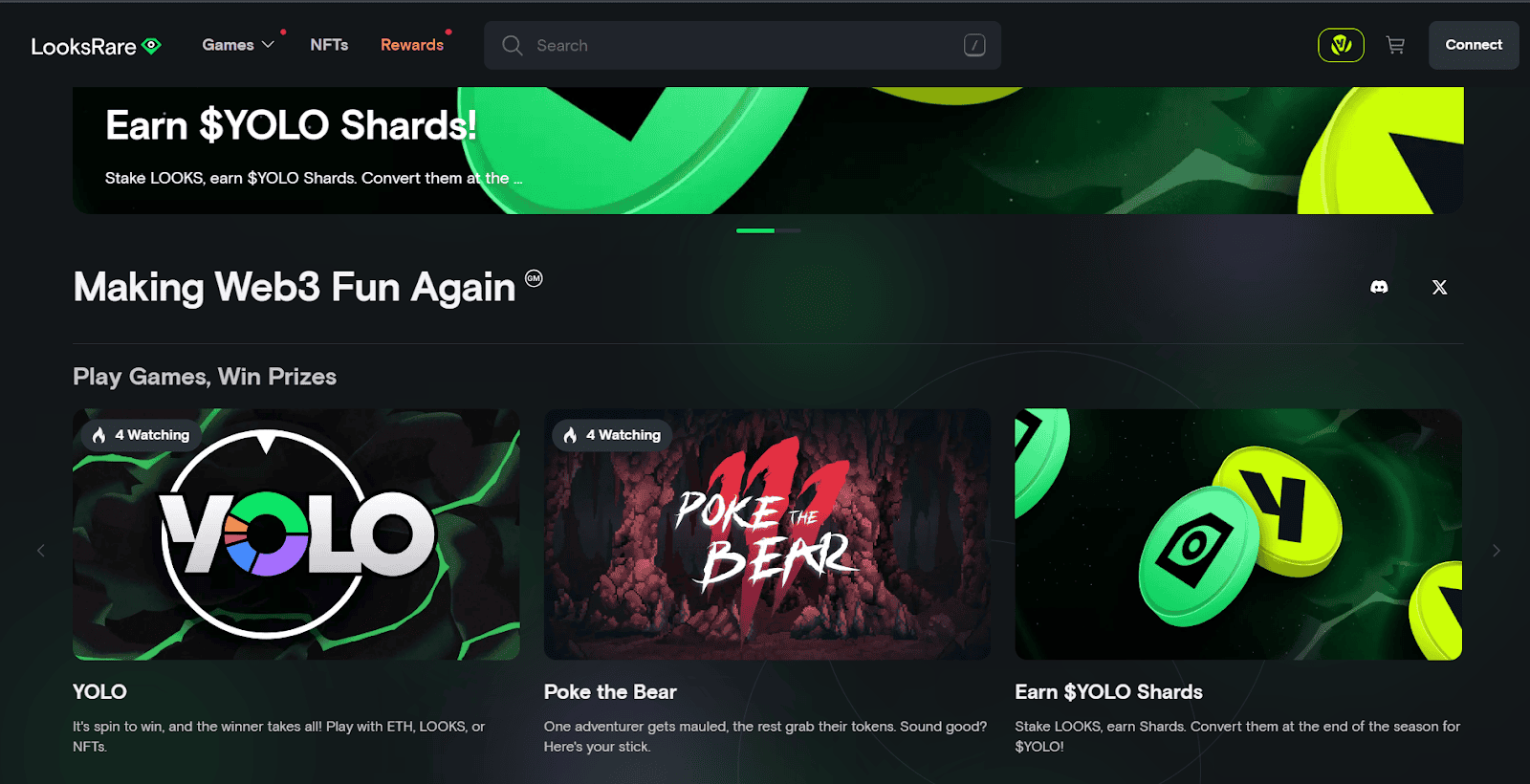
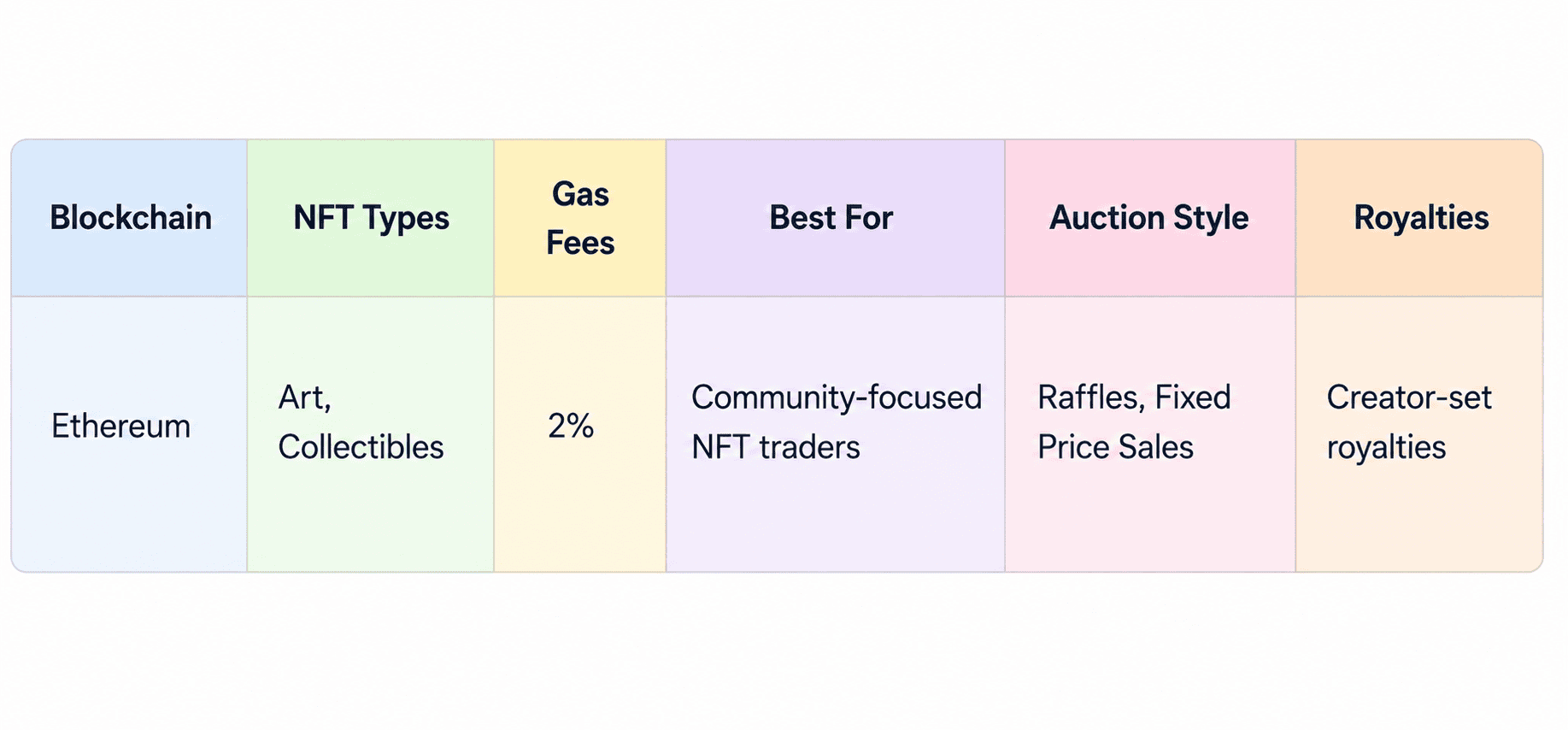
LooksRare is another Ethereum marketplace, but it has tried to build something more community-driven around NFT trading.
The platform is known for its $LOOKS token and rewards system, which gives users incentives tied to marketplace activity.
It also offers features that make it possible to discover listings from different sources.
For Ethereum users looking for an alternative to the biggest marketplaces, LooksRare is an interesting option.
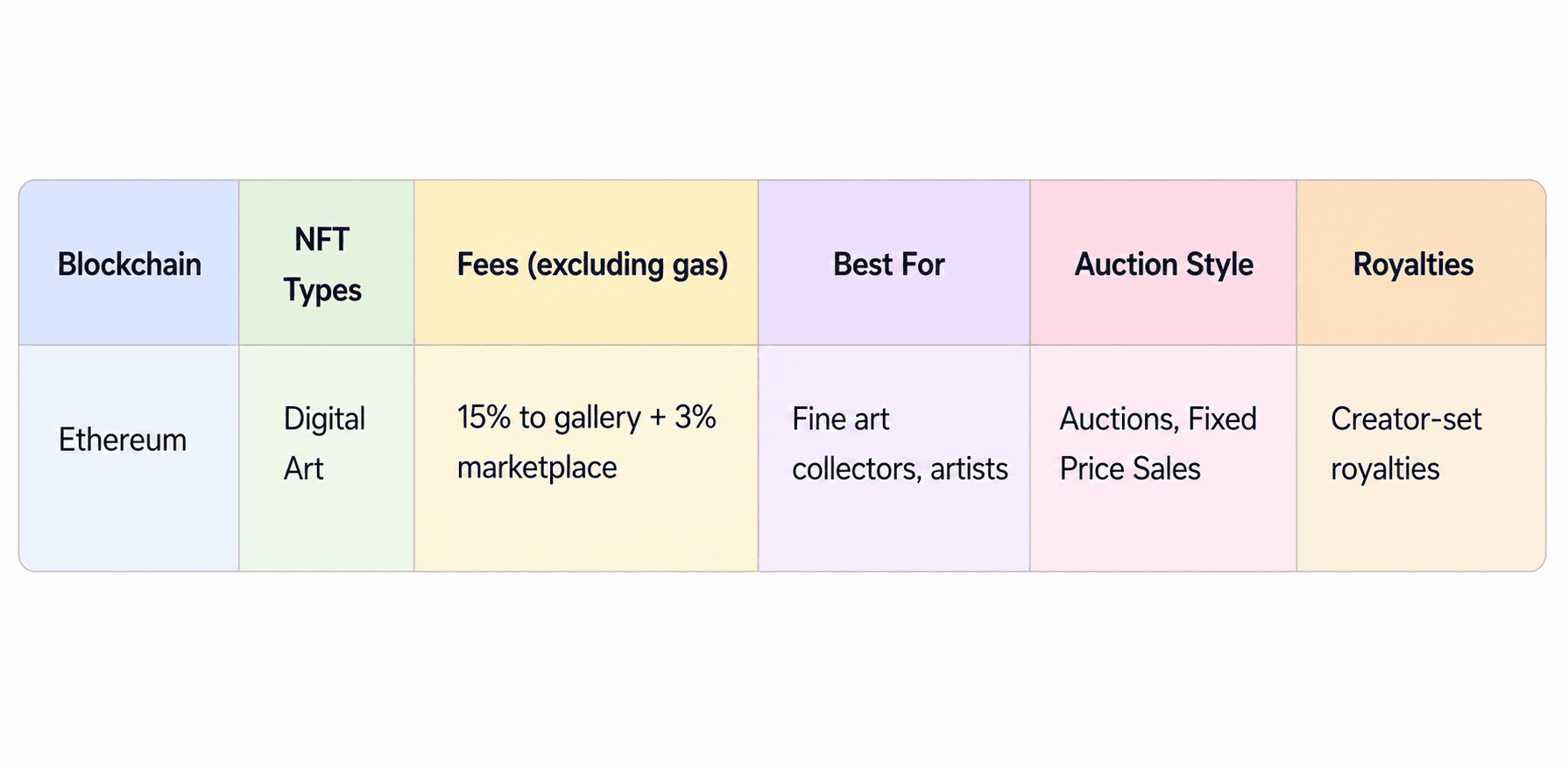
11. SuperRare
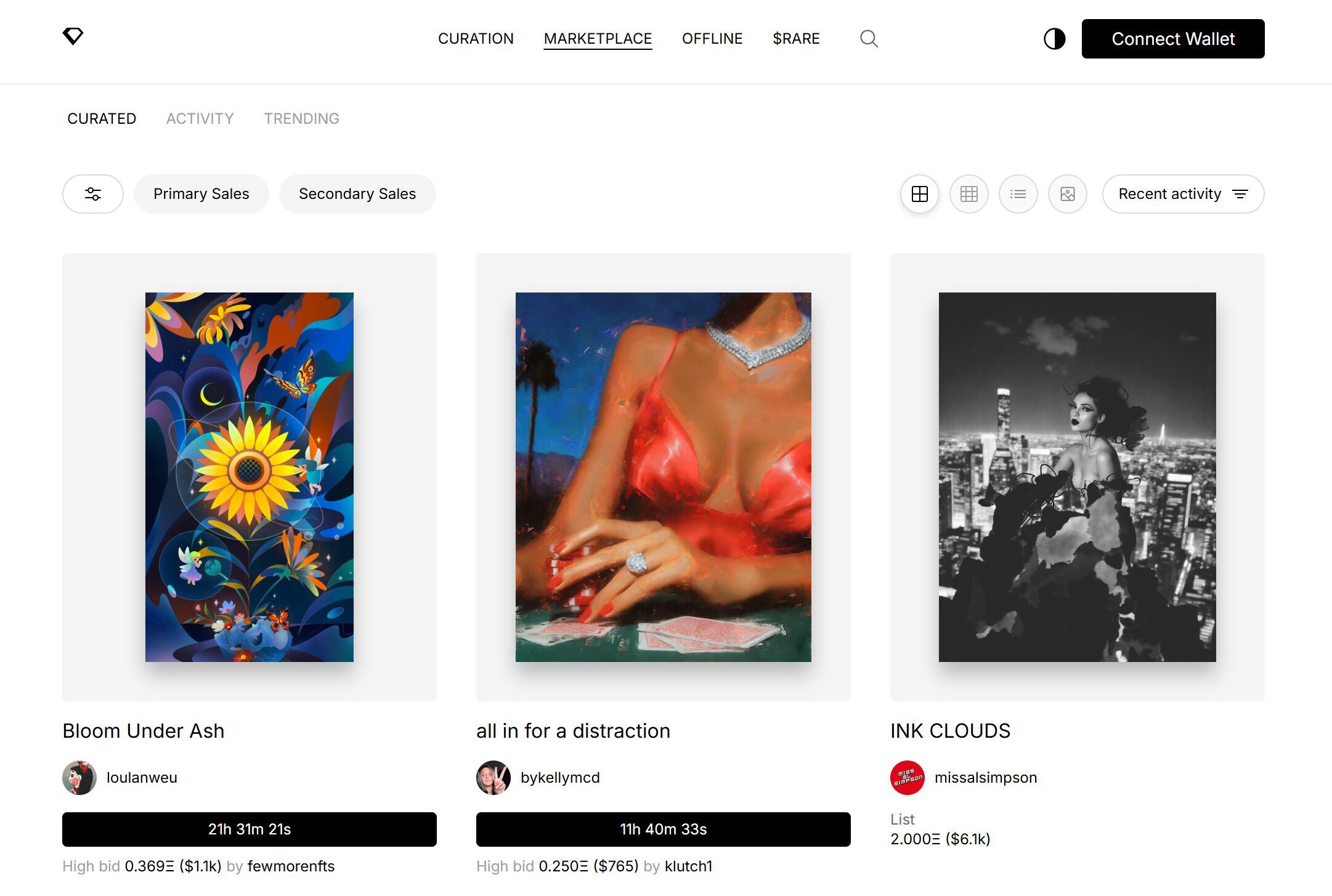
SuperRare isn’t really trying to compete with every NFT marketplace out there.
Its focus is much narrower: high-quality digital art.
The platform is built around individual artworks and artists rather than huge collections of random digital assets. That gives it more of a digital gallery feel.
If you’re collecting NFTs because you genuinely care about the artwork and the artist behind it, SuperRare is probably more interesting than a marketplace designed primarily around trading volume.
12. CryptoPunks
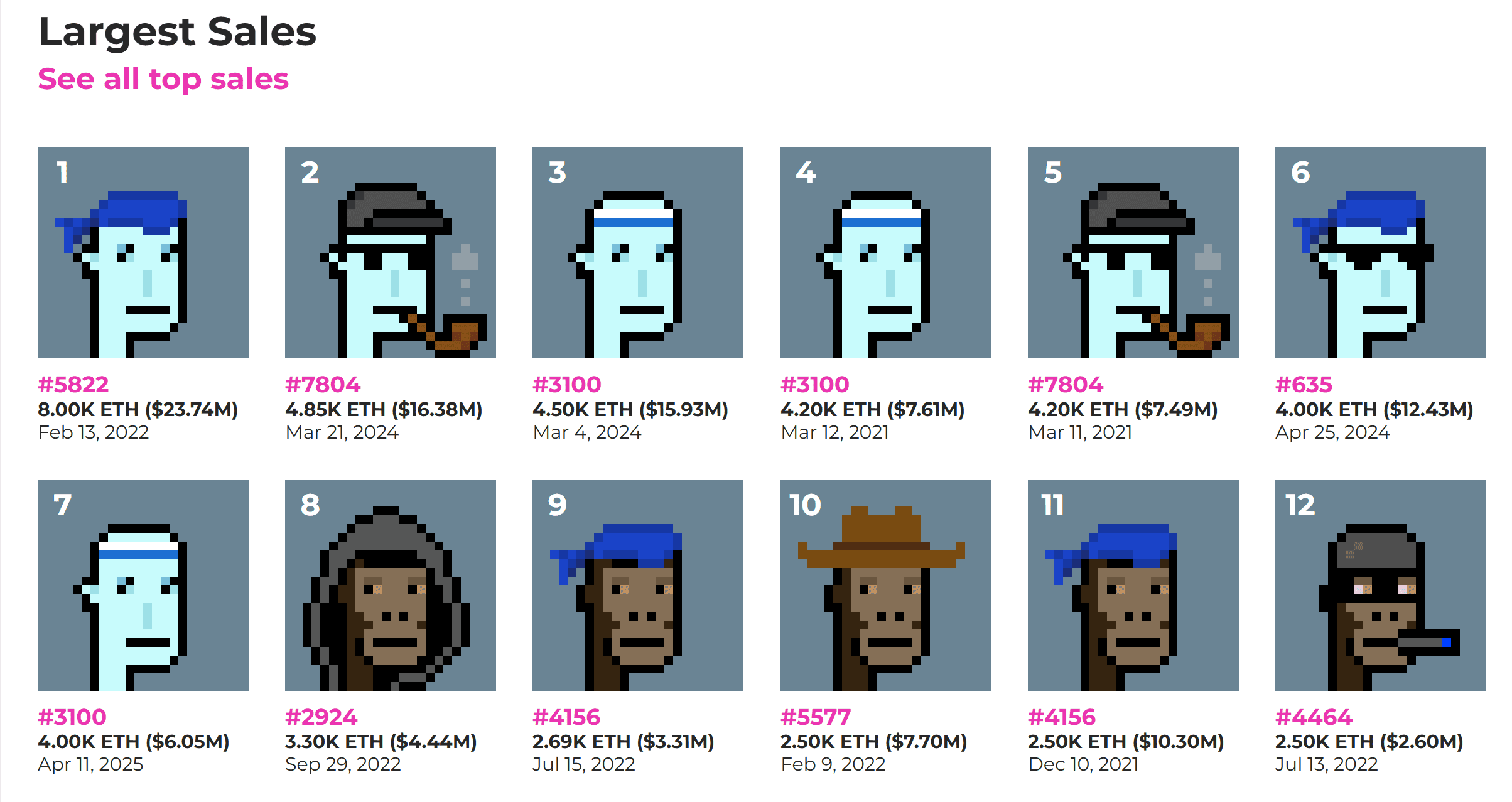
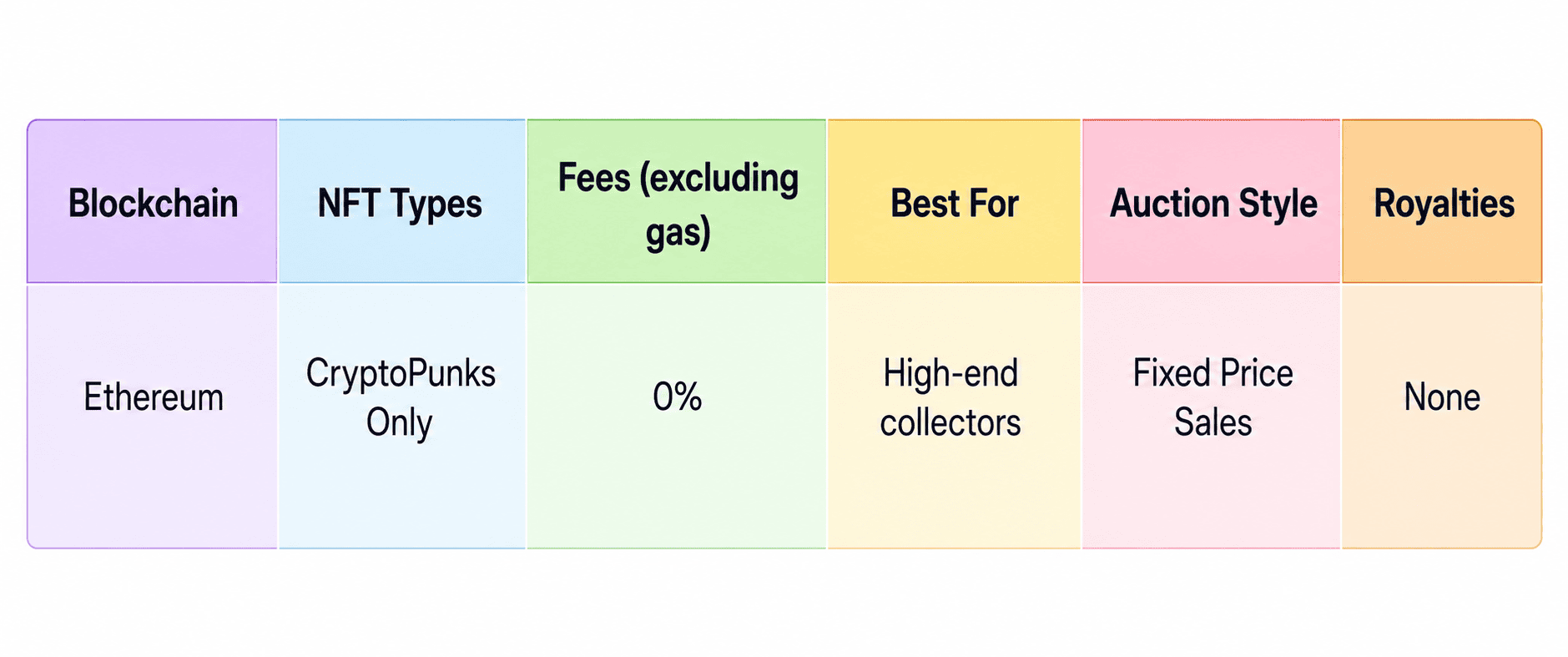
CryptoPunks deserves a spot on any list of important NFT projects, even though it works differently from a traditional marketplace.
The collection contains 10,000 unique pixel-art characters and dates back to 2017.
Long before NFTs became mainstream, CryptoPunks was already helping demonstrate the idea of owning a unique digital asset on the blockchain.
Today, the collection is as much a part of NFT history as it is a place to buy a digital collectible.
13. Foundation
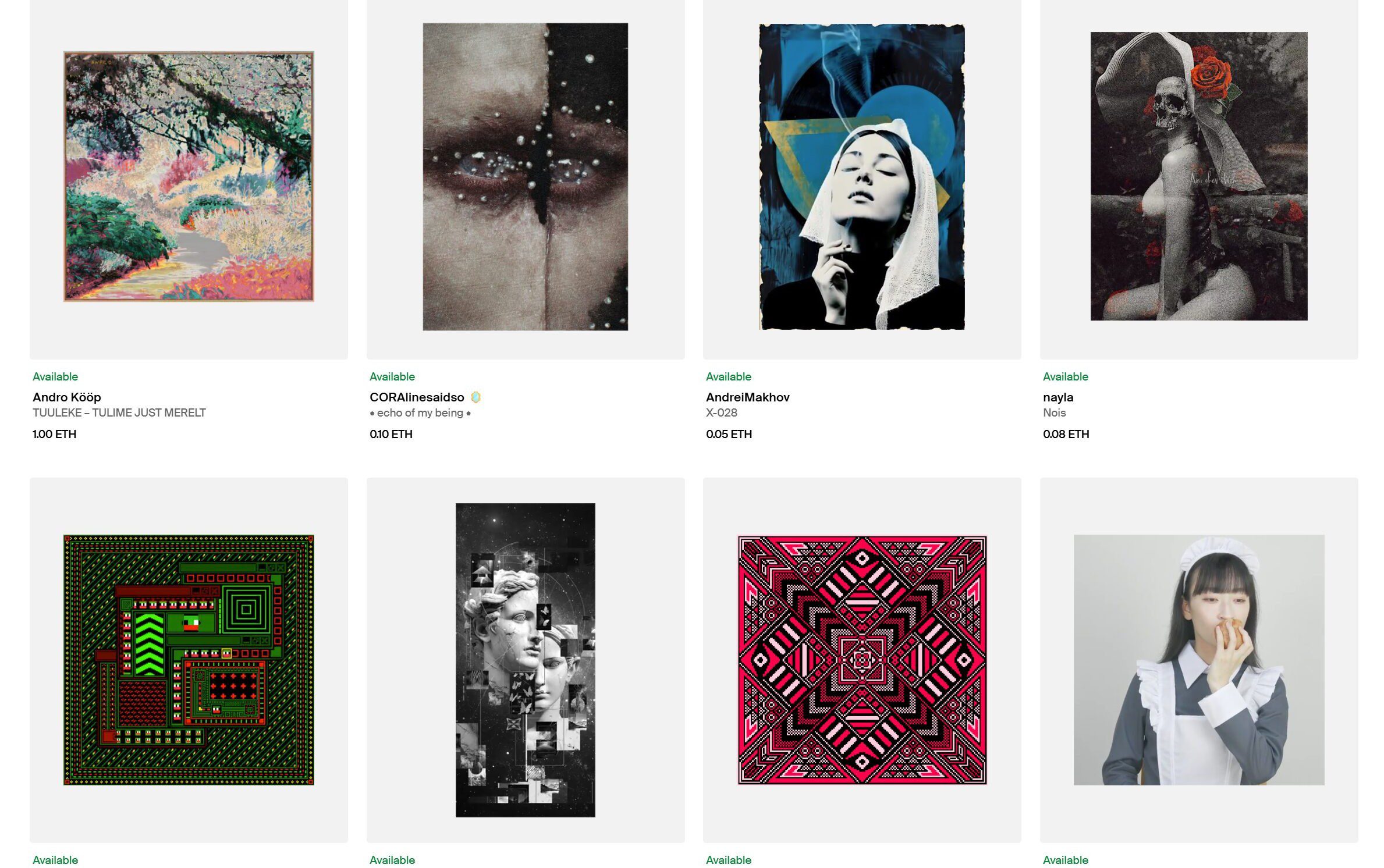
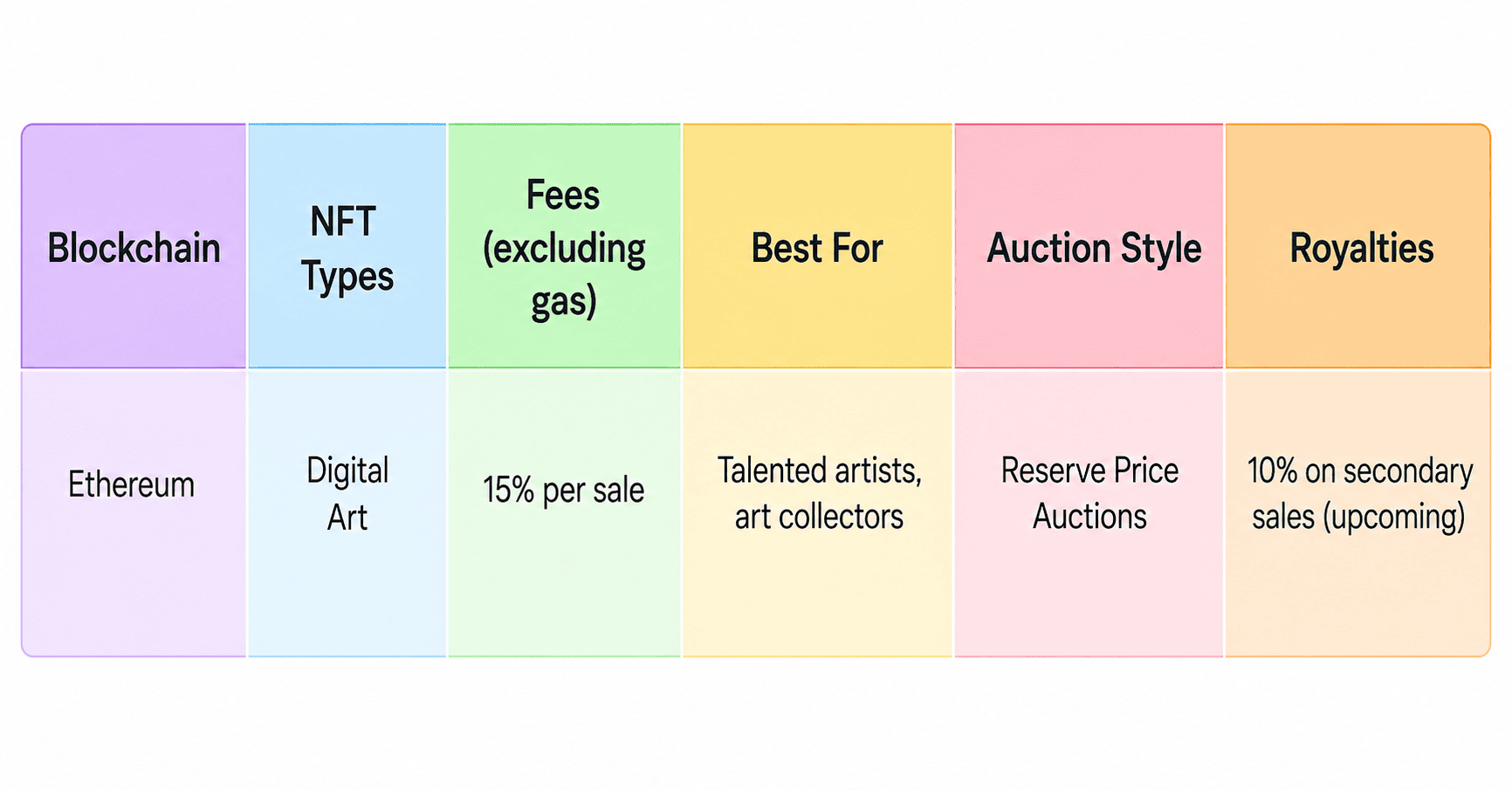
Foundation is another platform that leans heavily toward digital art.
The marketplace was built to connect artists with collectors and has a more curated feel than general NFT marketplaces.
Artists can showcase their work and sell pieces through different formats, including auctions.
If you’re more interested in discovering individual digital artists than chasing the latest NFT collection, Foundation is worth exploring.
14. ThetaDrop
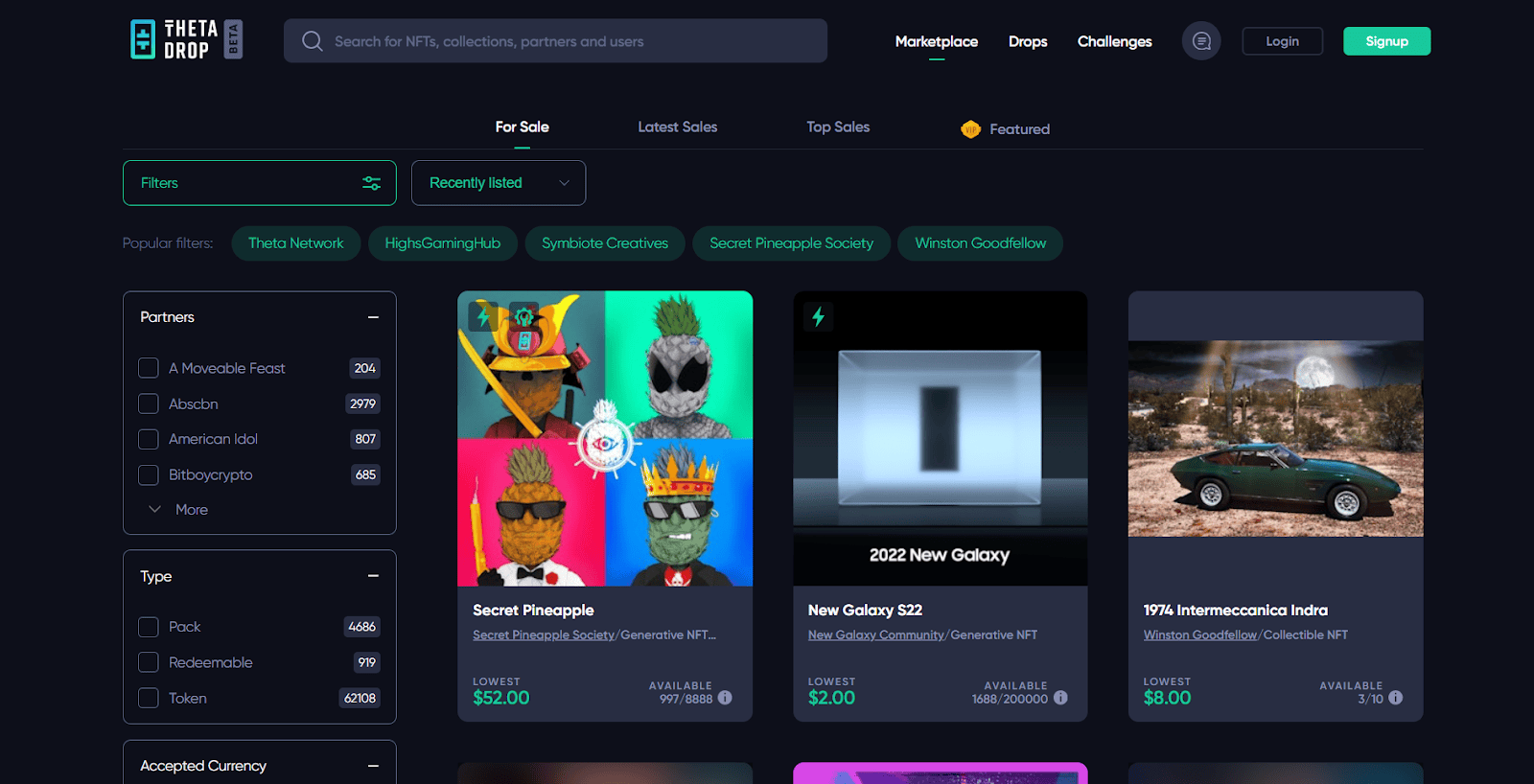
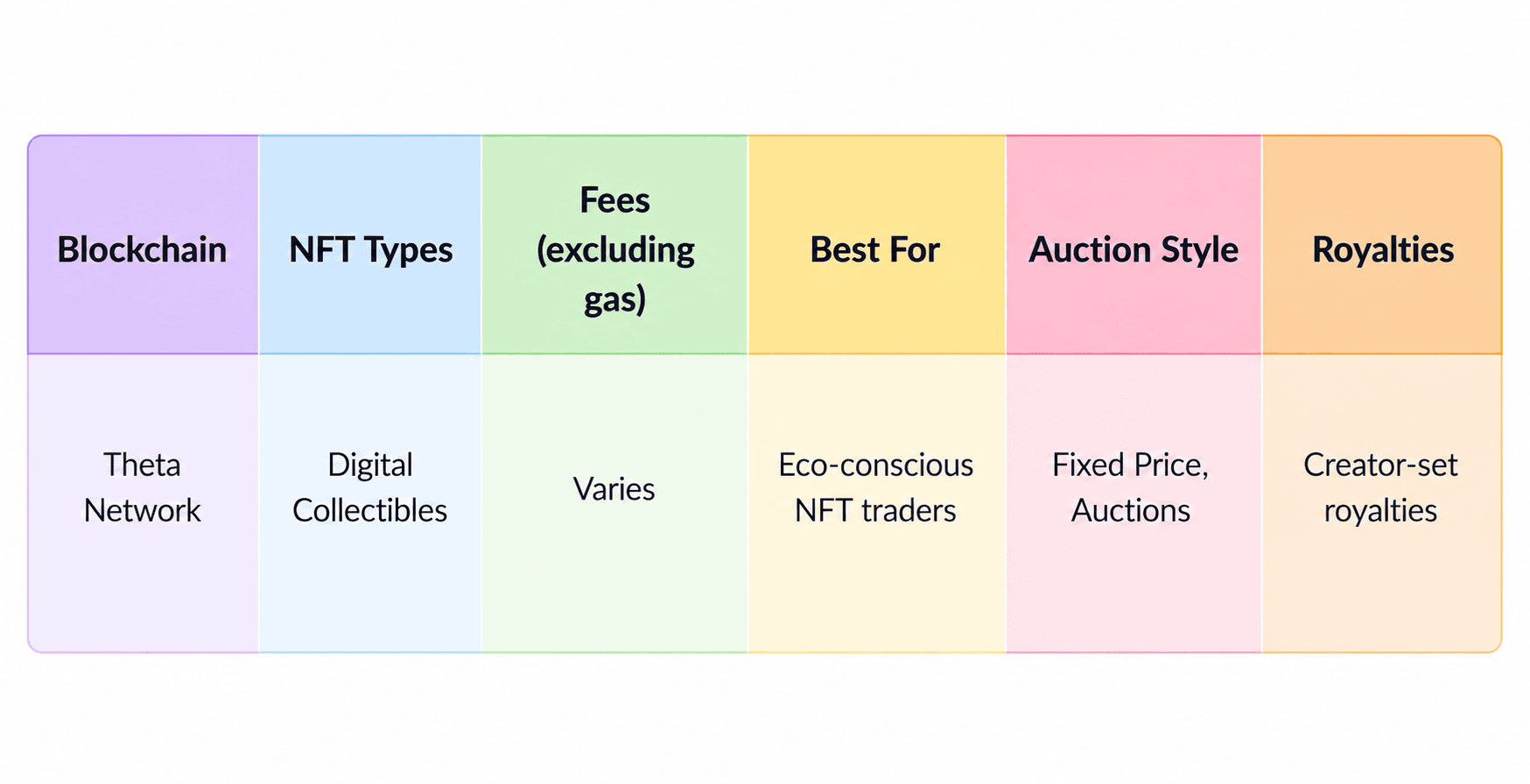
ThetaDrop takes a slightly different route by focusing on digital collectibles, entertainment, and media.
It’s powered by the Theta Network and has been involved with recognizable creators and entertainment-related projects.
That makes it an interesting option if your NFT interests go beyond traditional digital artwork.
So, Which NFT Marketplace Should You Use?
Honestly, it depends on what you’re trying to do.
If you’re new to NFTs and want a huge selection, OpenSea is a logical place to start.
If you’re more interested in active trading, Blur or Tensor may make more sense.
For digital art, SuperRare and Foundation are worth checking out.
If you’re moving between different blockchains, Magic Eden and OKX NFT can be more convenient.
And if you’re already deep into a particular ecosystem, it usually makes sense to look at marketplaces that support that blockchain instead of forcing yourself onto another network.
One more thing: don’t choose a marketplace based only on its name or popularity. Check the fees, supported networks, wallet compatibility, and current policies before connecting your wallet or buying anything.
Final Take
NFTs aren’t one single market anymore.
Collectors are looking for art, traders chasing short-term opportunities, gamers buying digital items, and people collecting projects simply because they believe they’ll become part of internet culture.
That’s why the “best” NFT marketplace is really the one that fits what you’re trying to do.
Take a little time to compare the platforms, understand the costs, and make sure you’re using the official website before connecting your wallet. A few extra minutes of checking can save you a lot of trouble later.
