


The US dollar is steadily losing its dominance in global markets, with its share of foreign exchange reserves declining to 46%—a level not seen in over twenty years. This shift reflects a broader trend of weakening influence, as alternative currencies and assets continue to gain traction worldwide.
Decline in Dollar Dominance
According to recent analysis, the dollar’s share of global foreign exchange reserves has fallen by 15 percentage points since 2017. Current data indicate that, excluding gold, the US dollar now accounts for approximately 57% of global reserves—the lowest level recorded since 1994.
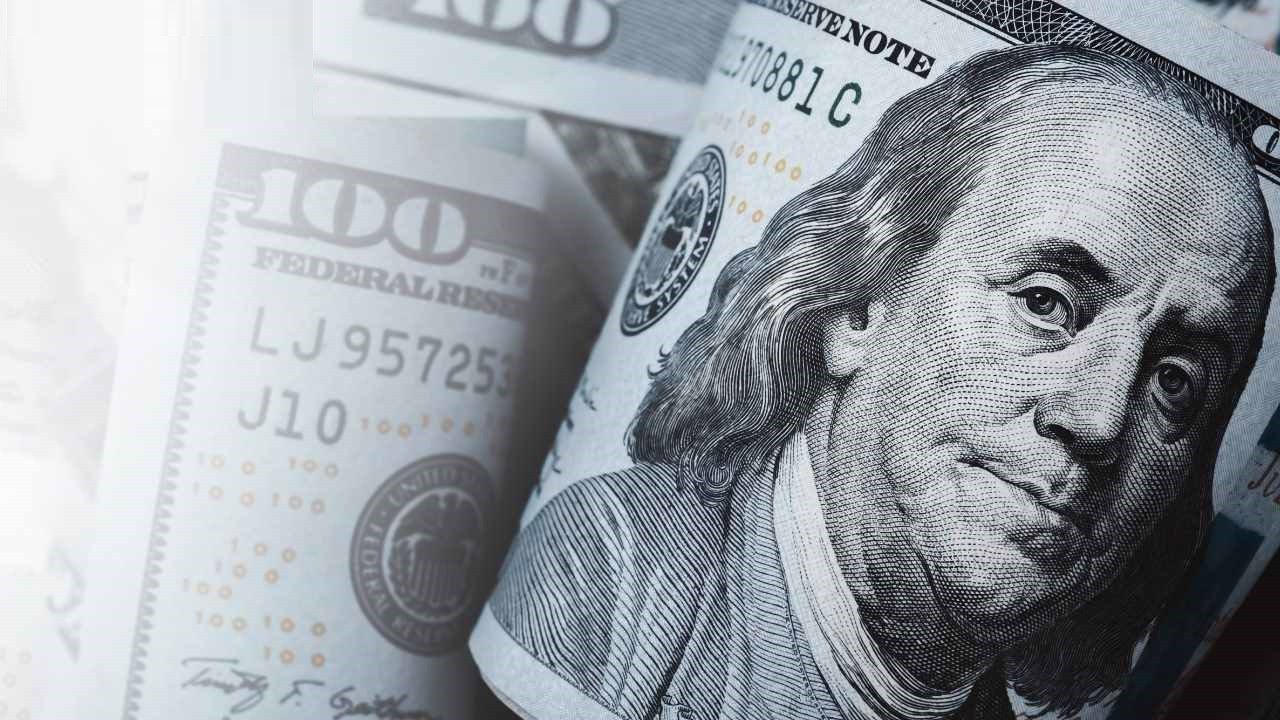
This downturn comes at a pivotal moment in global finance, where shifting economic conditions and policy decisions are driving diversification away from the dollar. Notably, central banks have been actively reducing their reliance on the currency, opting instead to expand holdings in other reserve assets.
Historically, the last time the dollar’s share dipped below 50% was during the early 1990s—a period characterized by high inflation, economic slowdown, and declining confidence in the US economy.
The US Dollar continues to lose market share:
The US Dollar now represents ~46% of global FX and gold reserves, the lowest in at least 26 years.
This percentage has declined -15 points since 2017.
Excluding gold, the US Dollar makes up 57% of global reserve currencies, the… pic.twitter.com/FlOTFHaoft
— The Kobeissi Letter (@KobeissiLetter) April 11, 2026
Gold Gains Momentum Amid Global Uncertainty
At the same time, gold is experiencing renewed interest as a preferred reserve asset. Central banks around the world are increasing their gold holdings, contributing to its rising prominence in global finance.
At some point, which could be already next week, precious metals could start a confident rally despite no deal between US and Iran.
Metals are going to completely ignore the original false narrative that military escalation in the Middle East is bad for gold. Surely I am fully…— Rashad Hajiyev (@hajiyev_rashad) April 12, 2026
Market analysts suggest that gold prices may continue to climb, supported by ongoing geopolitical tensions and economic uncertainty. Some forecasts indicate a strong near-term rally, regardless of developments in international negotiations.
In the longer run, bullish projections for gold remain intact, with expectations that persistent global debt levels and geopolitical instability will further strengthen its appeal. As financial systems adapt to these pressures, gold is likely to maintain its upward trajectory as a key store of value.
Whether US achieves progress in negotiations with Iran or not, does not change my view towards gold. Pandora’s box had been opened and I am pretty sure geopolitical tension in the Middle East is going to rise going forward. Too many powers with too many interests. War is not a… pic.twitter.com/MYkBb9FkoI
— Rashad Hajiyev (@hajiyev_rashad) April 12, 2026
