


Ongoing geopolitical tensions have prompted a renewed search for alternative safe-haven assets beyond traditional options like gold and silver. In this environment, Bitcoin has seen increased traction, particularly as the conflict between the United States and Iran intensifies. Reports suggest that many individuals in Iran are turning to Bitcoin as a way to preserve value during uncertain times. This growing adoption has sparked global discussion about whether Bitcoin is beginning to fulfill its long-anticipated role in the financial system.
Adding to this narrative, a new development has captured attention: Iran is reportedly considering requiring Bitcoin payments from ships passing through the Strait of Hormuz. With such developments unfolding, questions are emerging about whether Bitcoin is entering a new phase of global relevance.
Bitcoin Tolls for Maritime Access
According to recent reporting, Hamid Hosseini, a representative of Iran’s Oil, Gas, and Petrochemical Products Exporters’ Union, indicated that authorities may introduce Bitcoin-based tolls for vessels navigating the Strait of Hormuz. The proposed system would require ships to submit cargo information in advance via email. A fee of approximately $1 per barrel would then be calculated, verified, and collected in Bitcoin within a limited payment window before passage is approved.
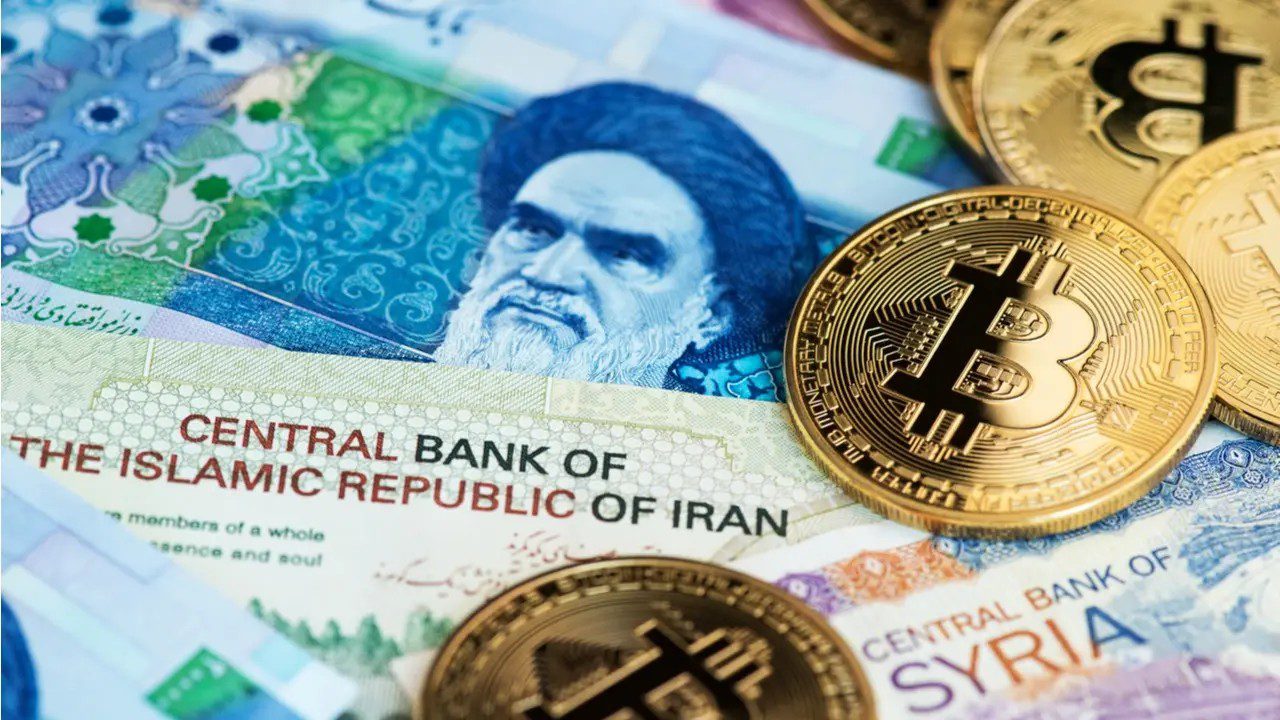
Reports further suggest that vessels attempting to bypass the process without authorization could face severe consequences.
Analysts have highlighted the potential scale of such a system. A standard oil tanker carrying around 3 million barrels could generate roughly $3 million in Bitcoin per transit, making the model financially significant.
Reduced Traffic Under New Controls
Additional insights from maritime risk experts indicate that stricter regulations could dramatically reduce daily traffic through the strait. While previously around 130–135 ships passed through each day, new limits may restrict that number to between 10 and 15 vessels.
Bitcoin’s Expanding Role
Iran’s apparent willingness to integrate Bitcoin into critical economic operations underscores growing confidence in the asset during periods of instability. Its use in such a high-stakes geopolitical context suggests a shift in perception from a speculative instrument to a more trusted financial tool.
Some analysts have attempted to quantify the broader implications. Estimates suggest that if ships are charged millions of dollars per crossing in Bitcoin, the resulting accumulation could far exceed the cryptocurrency’s daily mining output. This raises the possibility of a sanctioned nation building substantial Bitcoin reserves through controlled trade routes.
🇮🇷 Iran is charging $2M per ship to cross the Strait of Hormuz and they want it in Bitcoin. 😳
At $72,000 per $BTC, each ship = 27.7 BTC.
Pre-crisis, 130 ships crossed daily.• Daily: 3,611 BTC
• Monthly: 108,333 BTC
• Yearly: 1.3 million BTCThe entire Bitcoin network only… pic.twitter.com/pl3vtPiMtY
— Wise Advice (@wiseadvicesumit) April 8, 2026
Such developments highlight what some consider to be one of the most significant yet under-discussed intersections of geopolitics and cryptocurrency.
