


Memecoins are cryptocurrencies that originate from internet memes or jokes. Speculative and highly volatile, they are often cited by skeptics as evidence that crypto will never rival traditional finance.
So when Donald Trump and his family launched two memecoins to mark his return to the White House, some crypto industry executives expressed concerns that it might harm the sector more than benefit it.
Trump has positioned himself as a “pro-Bitcoin president,” referencing the most well-known cryptocurrency. The crypto industry has invested heavily in his re-election campaign, hoping he will put an end to regulatory crackdowns that have hindered investment in digital assets.
Trump’s Memecoins and Their Impact
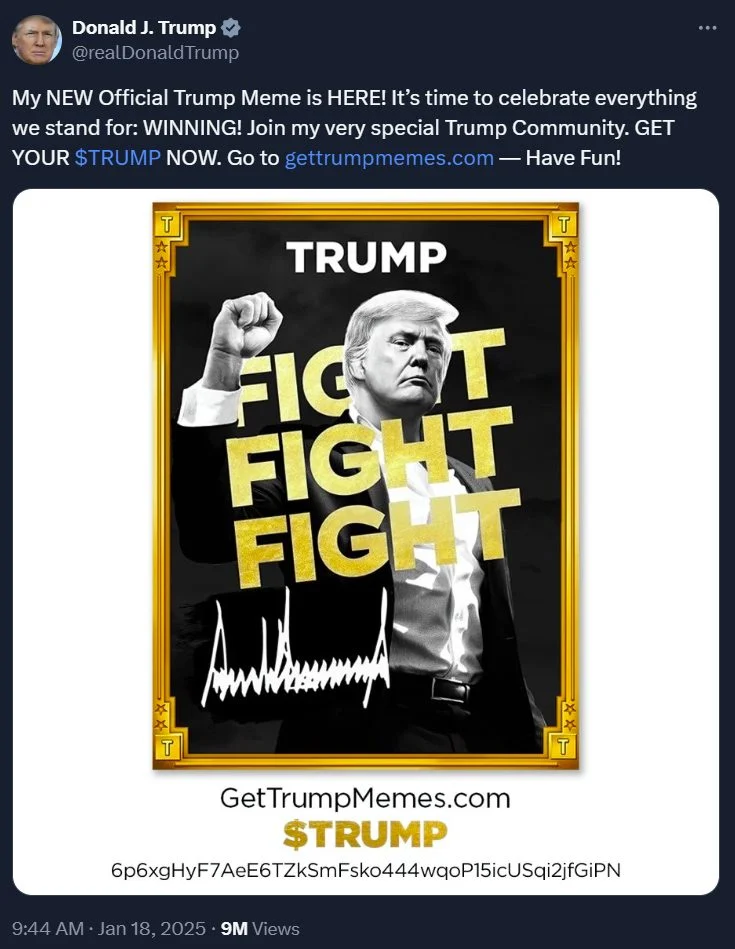
From Trump’s perspective, launching a memecoin could be a strategic financial move. The market value of his $Trump coin surged t
o approximately $15 billion soon after its debut on January 18, providing a significant windfall—at least on paper—for entities linked to him, which hold the majority of the token. Just two days later, the $Melania token, named after the US first lady, was launched and saw rapid gains in a matter of hours.
What Are Memecoins?
Unlike Bitcoin and Ethereum, which were created with the intention of serving as decentralized currencies or facilitating smart contracts, memecoins often begin as jokes or social experiments. The first and most valuable memecoin, Dogecoin, originated from an internet-famous Shiba Inu dog meme. Newer examples, such as Dogwifhat and Pepe, reference popular internet culture, featuring a dog wearing a hat and a green anthropomorphic frog, respectively.
Memecoins have no underlying assets or intrinsic value—what they are worth depends entirely on public sentiment. Despite this, the total market capitalization of all memecoins exceeds $100 billion, making these lighthearted creations highly valuable in the crypto space.
The underlying technology behind memecoins varies. Dogecoin, for example, operates on its own blockchain, while many newer memecoins are built on established blockchains such as Ethereum or Solana. For reasons unknown, dog-themed memecoins remain the most popular among anonymous crypto developers.
Who Profits From Memecoins?
The biggest winners in the
memecoin space are typically their developers and early investors who benefit from price surges. Crypto exchanges and brokerages also see significant gains, as increased trading activity in memecoins results in higher transaction fees.
What Do We Know About the Trump Memecoins?
Trump’s memecoin artwork features an illustration of the former president with his fist raised, inspired by a viral image following an assassination attempt during a campaign rally.
The $Trump token was built on the Solana blockchain and listed on major crypto trading platforms such as Binance, OKX, Bybit, and Robinhood. Meanwhile, the $Melania token became available on platforms like Kraken, KuCoin, and Bitget.
According to crypto data aggregators like CoinGecko and CoinMarketCap, $Trump skyrocketed more than tenfold, reaching a high of $73.4 in its early trading days. However, its momentum slowed following the launch of $Melania.
An affiliate of the Trump Organization, CIC Digital LLC, along with a related entity called Fight Fight Fight LLC (named after Trump’s words following the campaign rally incident), holds 80% of the $Trump memecoin supply.
Industry Response to Trump’s Memecoins
While some crypto enthusiasts celebrated the launch, viewing it as further evidence of Trump’s commitment to the digital asset space, others were less enthusiastic. Some crypto industry leaders had hoped Trump’s administration would work toward legitimizing cryptocurrency as a serious financial asset rather than fueling speculative trading through memecoins.
Critics, including government watchdogs, accused Trump of using his position for financial gain, labeling the memecoins as another ethical controversy surrounding his political career.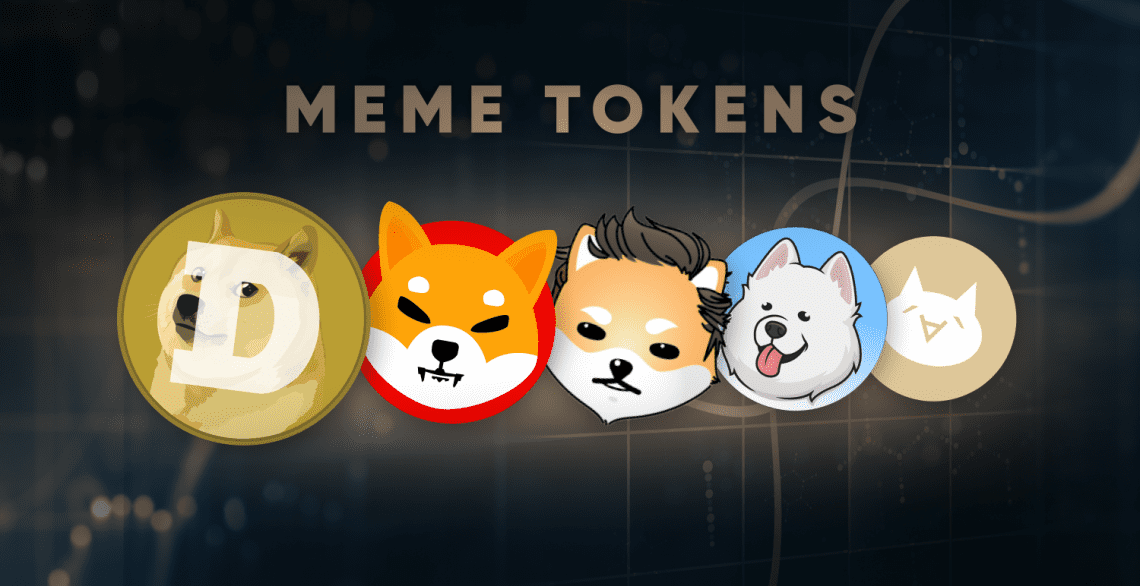
The Biggest Memecoins in the Market
Dogecoin remains the dominant memecoin, boasting a market value exceeding $50 billion. Other top-ranking memecoins include Shiba Inu, Pepe, and Bonk. The Trump memecoin quickly climbed the ranks, becoming the third-largest memecoin by market capitalization.
Why Do People Invest in Memecoins Despite the Risks?
Retail investors often see memecoins as a high-risk, high-reward opportunity due to their low initial prices. Compared to Bitcoin and Ethereum, memecoins are more affordable and can experience massive price spikes, especially during overall crypto market rallies.
However, memecoins come with extreme risks. With no tangible assets backing them, their prices can fluctuate dramatically within minutes. Most tokens are concentrated in the hands of their creators and a small group of insiders, leading to low liquidity and high price manipulation potential.
Additionally, investors in memecoins are vulnerable to scams such as rug pulls, where developers abandon a project and liquidate their holdings, leaving the remaining investors with worthless tokens. Many memecoins lack third-party audits, making them susceptible to hacks and vulnerabilities that could result in significant financial losses.
While memecoins are often dismissed as speculative gambles, their explosive market growth indicates that, for better or worse, they remain an integral part of the crypto landscape.
